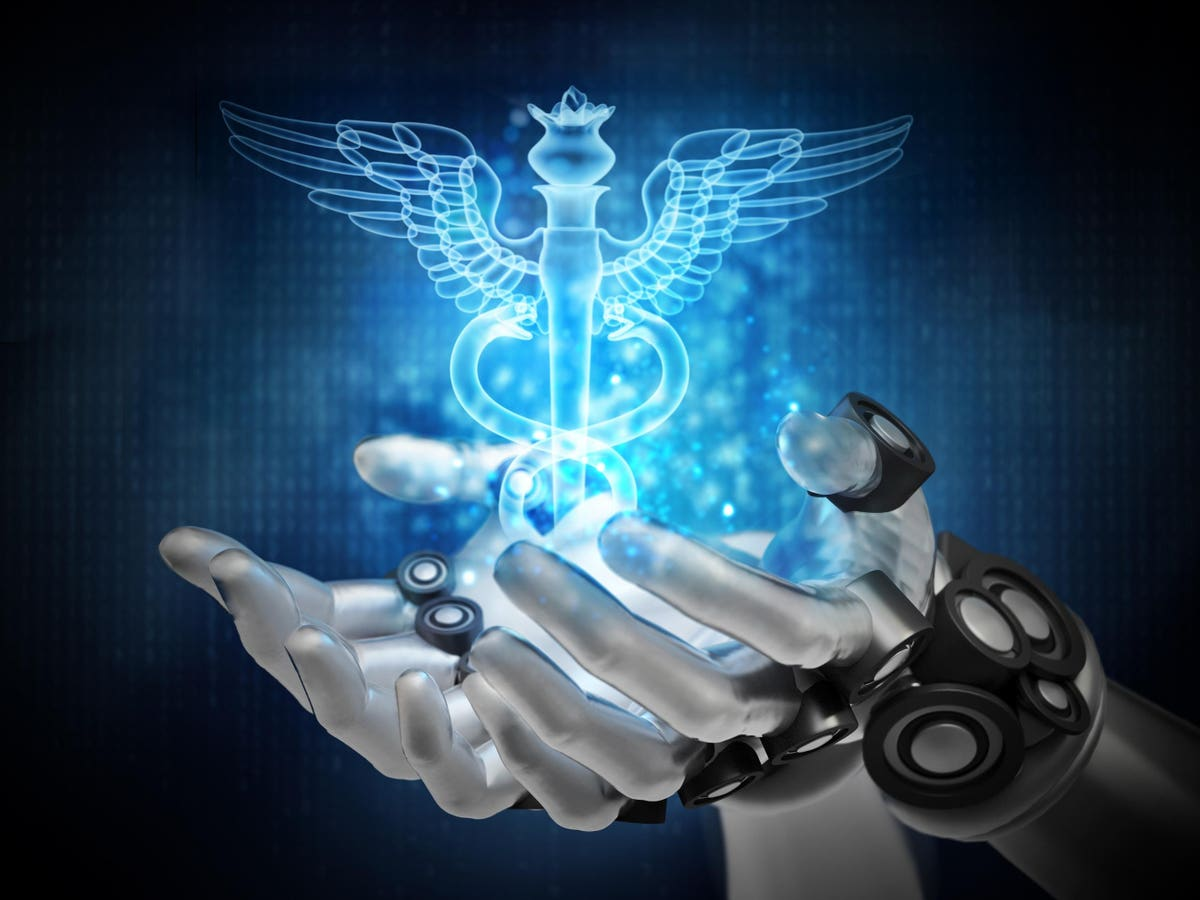
Understanding the Intersection of AI and NI
Artificial Intelligence (AI) is often seen as a revolutionary force in global health, with the ability to tackle significant health challenges. However, the real issue lies not in the technology itself but in how we use our Natural Intelligence (NI) to guide AI towards meaningful change. Over-reliance on technology can lead to superficial solutions that fail to address deeper systemic issues. AI tools, primarily developed in affluent countries, often do not cater to the specific needs of low- and middle-income countries (LMICs), where healthcare infrastructures may be lacking.
Key Insights
- AI is not a universal solution and can exacerbate existing health disparities if not implemented thoughtfully.
- The GIGO (garbage in, garbage out) principle highlights the risk of using biased data to train AI, leading to ineffective solutions.
- Community involvement in AI development is crucial for ensuring relevance and effectiveness in LMICs.
- Ethical oversight and comprehensive governance frameworks are essential to hold AI developers accountable and protect human rights.
The Bigger Picture
Emphasizing the integration of NI into AI development is critical for achieving equitable health outcomes. By fostering Prosocial AI, we can ensure that technology serves the needs of all communities, particularly the underserved. This approach not only enhances the potential of AI but also promotes sustainable health systems. The future of global health depends on our ability to leverage technology responsibly and inclusively, transforming AI into a catalyst for positive change rather than a tool for inequality.