Understanding the Intersection of AI and Intellectual Property
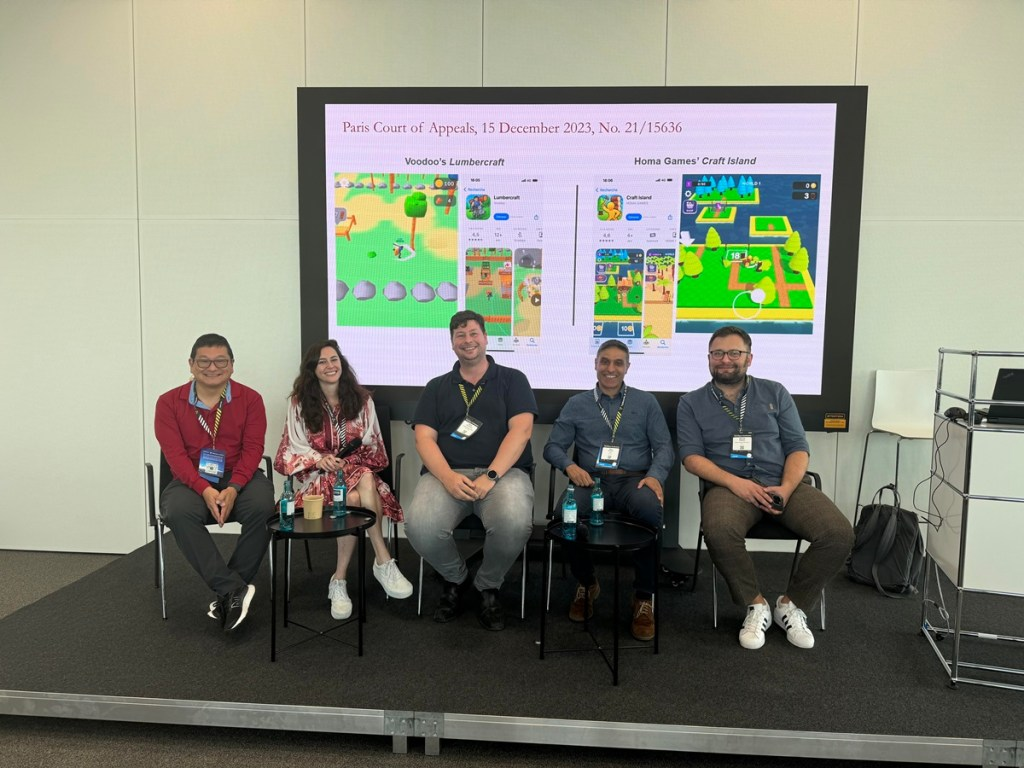
The rise of AI in video game development has sparked intense discussions about intellectual property (IP) rights. Legal experts are evaluating how existing copyright and trademark laws apply to creations made with AI. At a recent panel moderated at Devcom, they examined whether AI-generated content can be protected and how it might infringe on existing works. This is crucial as game companies race to integrate AI technologies while seeking to avoid legal pitfalls associated with copyright infringement and fair use.
Key Insights from the Panel
- Legal experts agree that copyright protection for AI-generated content varies by country, with many jurisdictions currently denying such protections.
- The originality of AI outputs is still debated, as it hinges on the human involvement in the creative process.
- Game developers are wary of using AI due to potential infringement risks and lack of ownership over AI-generated content.
- The legal landscape is still evolving, and companies are advised to tread carefully as they explore AI technologies in their projects.
The Importance of Legal Clarity in Game Development
As AI continues to transform the gaming industry, understanding the legal implications is vital for developers. Without clear guidelines on how AI interacts with existing IP laws, companies risk facing lawsuits that could undermine their innovations. This uncertainty could hinder the adoption of AI technologies, stifling creativity and efficiency in game development. Establishing a legal framework for AI in gaming is essential to ensure both protection for creators and the continued growth of the industry.