
Understanding Surrogate Models
The focus is on explaining predictions from complex black-box models using surrogate models that are easier to interpret. A dataset and its predictions serve as the foundation for this process, where explanations are sought that are both human-friendly and true to the original model’s predictions. The approach involves creating a linear approximation of the model’s behavior through a set of representative features. A neighborhood of samples is generated around a specific instance to gather predictions, which are then used to build a local surrogate model.
Key Points
- A linear model is constructed using representative features to approximate the black-box predictions.
- Neighborhood samples are created by perturbing the input, allowing for better local approximations.
- The unfaithfulness of the interpretation is quantified, enabling the selection of features that contribute most effectively to accurate explanations.
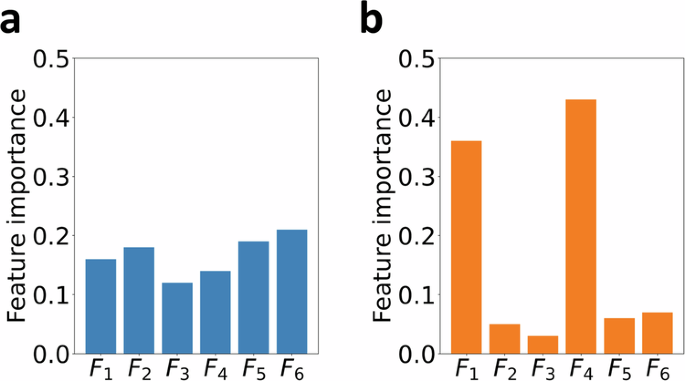
- Interpretation entropy is introduced to measure how interpretable a model is based on the coefficients of its features.
Importance of the Framework
This framework is crucial for enhancing the interpretability of AI models, particularly in sensitive applications like healthcare or finance, where understanding why a decision was made is as important as the decision itself. By leveraging linear approximations and measuring unfaithfulness and interpretability, this method helps ensure that AI systems can be trusted and understood, paving the way for broader acceptance and responsible use of AI technologies.





