
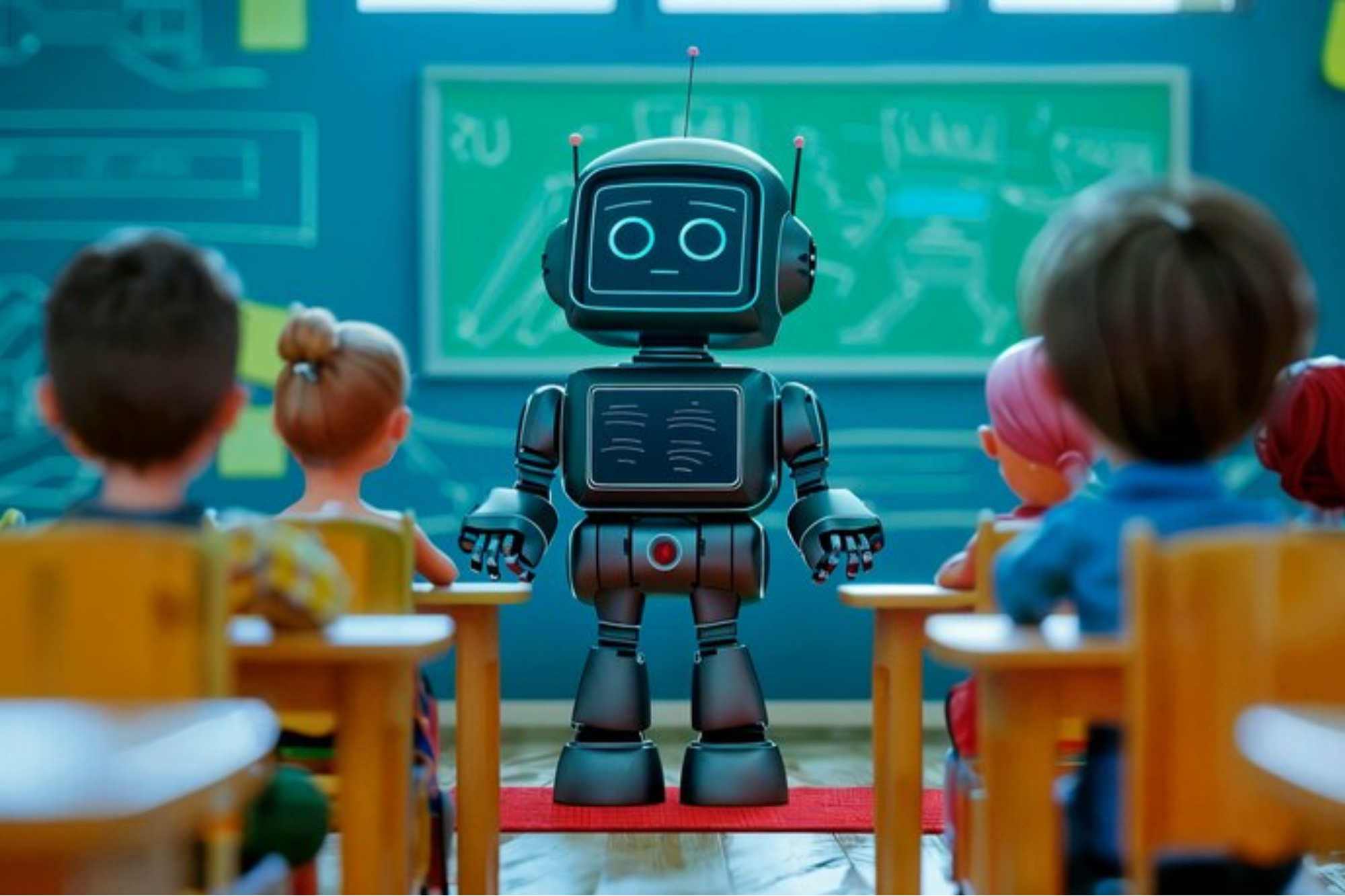
Overview of AI in Education
Artificial Intelligence is rapidly transforming the global education sector, with the market valued at USD 3.5 billion in 2023 and projected to reach USD 55.3 billion by 2032. This growth is driven by increased access to digital devices, a demand for personalized learning, and advancements in AI technology. While AI offers benefits like personalized learning experiences and improved student engagement, it also poses significant challenges, particularly regarding the reliability of its outputs.
Key Insights
- The market for AI in education is expected to grow at a CAGR of 35.82%.
- Benefits of AI include enhanced student motivation, cost-effective learning, and continuous assessment.
- Major concerns include the risk of inaccurate information, hidden biases, and the potential for diminished critical thinking skills among students.
- Educators and parents must be trained to guide children in using AI responsibly and effectively.
Significance of Responsible AI Use
Understanding and managing AI’s role in education is crucial for future learners. As AI becomes more integrated into learning environments, it is essential for children to develop critical thinking and media literacy skills. Parents and educators play a vital role in teaching children how to evaluate AI-generated information critically. This proactive approach can help mitigate risks associated with AI, ensuring that technology enhances rather than hinders educational growth. By fostering a responsible mindset towards AI, we can prepare the next generation to navigate the complexities of a tech-driven world.





