
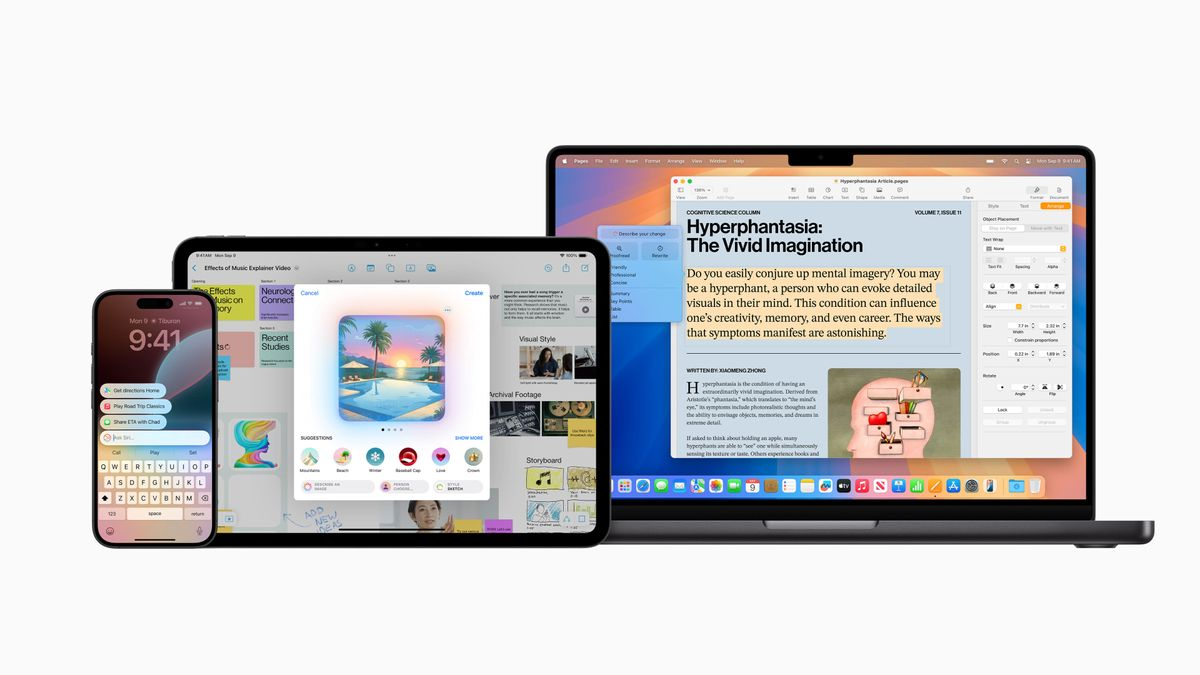
Overview of Apple Intelligence
Apple Intelligence is set to launch next month, bringing new features to iPhones, iPads, and Macs. This includes enhanced writing tools, a more personalized Siri, and advanced photo editing capabilities. While these features sound appealing, they also raise significant concerns, especially regarding data security and device compatibility. The beta versions of iOS 18.1 and macOS Sequoia have provided some insights, but many questions remain unanswered.
Key Details to Consider
- Data Security: Users are concerned about the safety of their data. Apple claims that most processing occurs on-device, but some tasks require “Private Cloud Compute,” which raises doubts about data handling.
- Device Compatibility: The iPhone 16 is optimized for Apple Intelligence, but older models like the iPhone 15 Pro can still run it. However, some features may not be fully functional without the latest hardware.
- Mac Integration: Features of Apple Intelligence are expected to be available on Macs, but it’s unclear if future updates will differentiate between iPhone and Mac functionalities.
- User Control: Users can turn off Apple Intelligence but may want more granular control over which features to disable or enable.
The Bigger Picture
Apple Intelligence’s introduction is a significant step in enhancing user experience, but it requires trust in Apple’s data security practices. The competition from existing AI tools raises questions about innovation and uniqueness. As Apple continues to integrate these technologies, the focus should be on how they ensure user privacy and whether they can maintain a competitive edge in a rapidly evolving tech landscape.





