
Understanding the New AI Standards
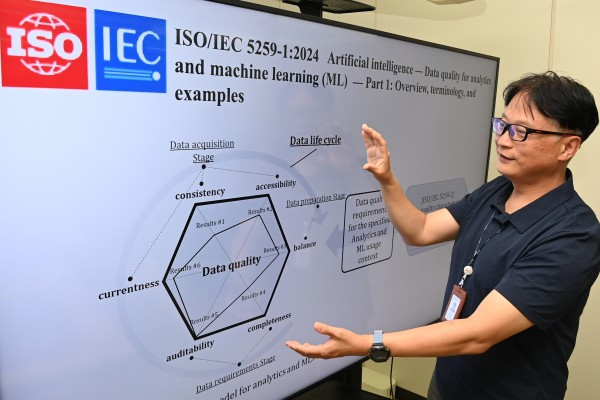
A group of Korean researchers, in collaboration with global AI experts, has created a new set of international standards focused on data quality for AI development. This initiative comes amid growing concerns about the safety and effectiveness of AI technologies, with major countries like the U.S., Japan, and Germany pushing for better regulations. The newly established standards aim to evaluate and manage the quality of data used in AI systems, ensuring that these technologies are reliable and safe.
Key Details of the Standards
- The standards include six parts, with the first part providing an overview and basic concepts related to data quality.
- The standards will help organizations assess, manage, and improve data quality, crucial for AI development.
- They focus on minimizing errors and biases in AI models and ensuring reliable performance.
- This initiative is the first of its kind to address AI safety and reliability from a data quality perspective.
The Bigger Picture
These standards are expected to enhance the reliability of AI systems and reduce legal disputes, thus easing regulatory oversight. They will also promote interoperability among companies, fostering innovation in AI applications based on high-quality data. By laying the groundwork for responsible AI development, this initiative strengthens cooperation among stakeholders and contributes to the overall advancement of AI technology.





