Innovative Intersection of AI and Addiction Psychiatry
Caroline Easton, a professor at the University of Rochester Medical Center, is pioneering a new approach to addiction psychiatry by integrating artificial intelligence (AI) into treatment. Her research focuses on combining cognitive behavioral therapy (CBT) with digital tools to provide comprehensive care for individuals facing substance abuse and intimate partner violence. This innovative approach stems from her personal values and family background, particularly her grandmother’s influence on community service and education. Easton aims to create a more efficient and personalized therapy model that addresses the complexities of addiction.
Key Highlights of Easton’s Work
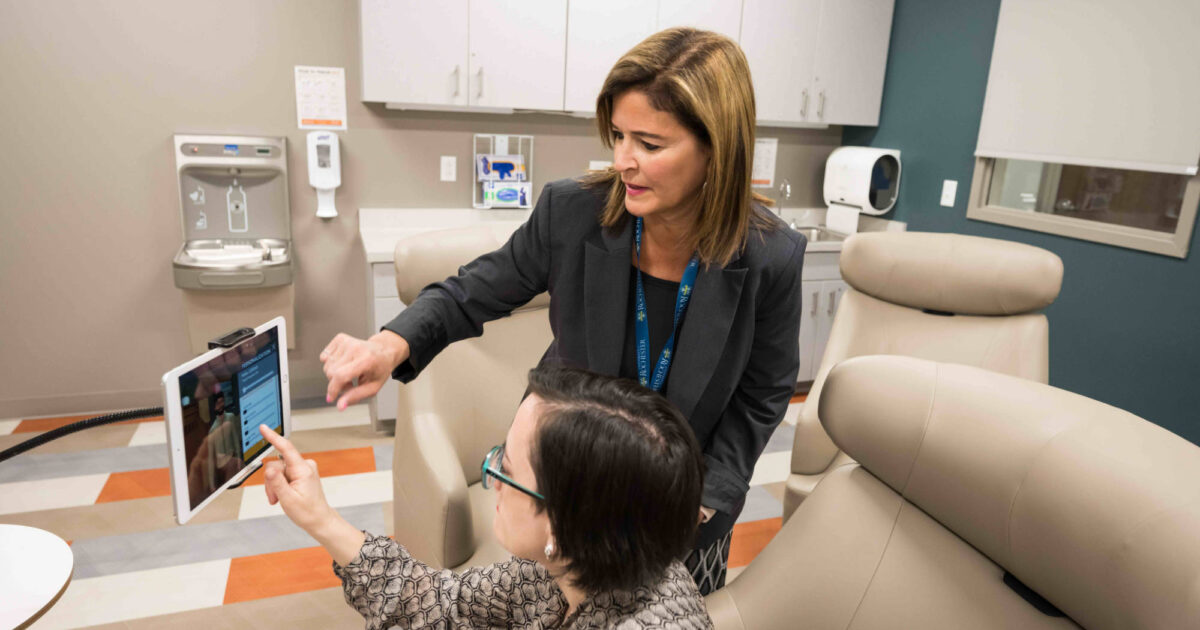
- Easton has developed a digital avatar-assisted CBT platform in collaboration with the Rochester Institute of Technology.
- This platform acts as a behavioral therapy coach, offering real-time feedback and coping skills training tailored to each patient.
- The AI tool does not replace therapists but supports them by reducing their workload and preventing burnout.
- Patients have reported a positive experience with the platform, often preferring it over traditional therapy due to its engaging and accessible nature.
Significance of the Research
Easton’s work is crucial as it addresses the increasing mental health crisis in the U.S., providing innovative solutions to improve patient care. By leveraging technology, she is not only enhancing the therapeutic experience for patients but also alleviating some of the pressures faced by therapists. This holistic approach has the potential to transform addiction treatment, making it more accessible and effective for those in need. Ultimately, Easton’s commitment to integrating AI in mental health care reflects a broader trend towards embracing technology to enhance well-being and recovery.