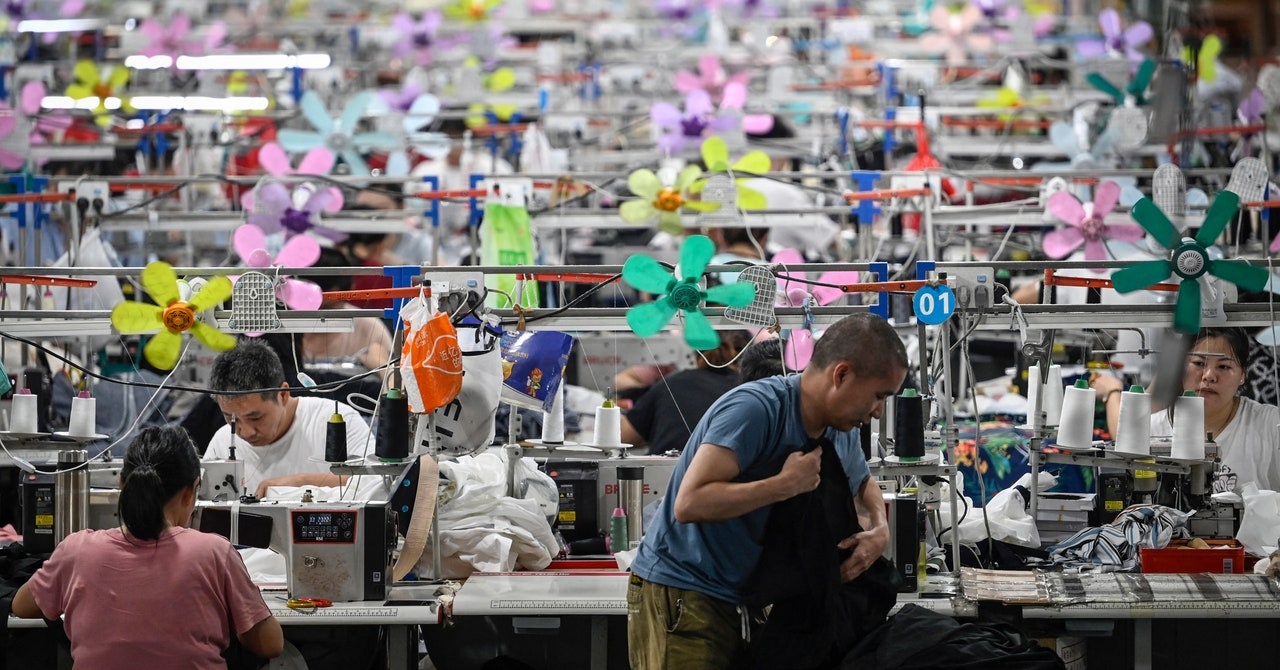
Understanding the Fast Fashion Phenomenon
Shein, a leading fast-fashion brand, has made a significant impact in the global clothing market in 2023. Known for its ultra-cheap apparel, the company has leveraged AI technologies to optimize its supply chain and predict customer preferences. This rapid production model has allowed Shein to dominate social media, with influencers promoting its trendy styles. However, the environmental consequences of such a business model raise serious concerns.
Key Details About Shein’s Operations
- Shein’s manufacturing process can produce a new design in as little as 10 days.
- The company adds up to 10,000 new items daily, with around 600,000 items available at any time.
- Despite pledging to cut carbon emissions by 25% by 2030, Shein’s emissions nearly doubled from 2022 to 2023, reaching 16.7 million metric tons of CO2.
- The brand’s reliance on polyester, which constitutes 76% of its fabrics, contributes to microplastic pollution and textile waste.
Environmental Impact and Responsibility
The environmental impact of Shein’s operations is alarming. Its emissions are comparable to those of four coal power plants in a year. As climate advocates highlight, the use of AI in fast fashion could exacerbate these issues. While Shein aims for sustainability, the inherent nature of its business model poses challenges. The future of fashion may hinge on balancing affordability and environmental responsibility, prompting consumers to rethink their buying habits.