
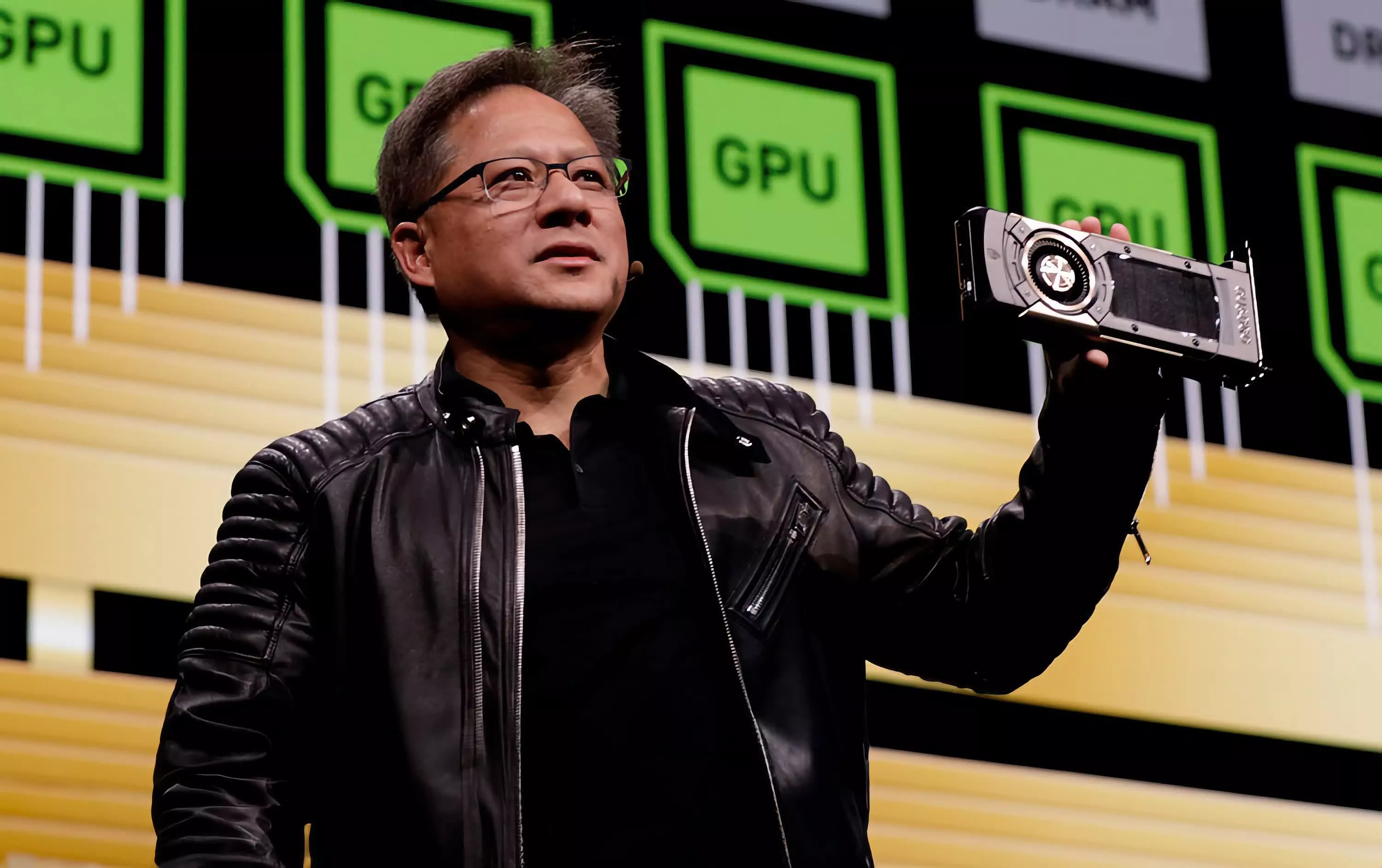
Understanding the Shift in Gaming Graphics
AI upscaling technology is transforming the gaming landscape by enhancing lower-resolution images and improving overall performance. Nvidia’s DLSS is a key player in this evolution, allowing for higher frame rates and better image quality. However, concerns arise among gamers about the potential necessity of such technology for optimal performance. Currently, only a handful of games explicitly state that upscaling is required, but this may change as the industry progresses.
Key Highlights
- Nvidia’s CEO emphasizes that AI is crucial for modern computer graphics, inferring details to create photorealistic images.
- Competing technologies like Intel’s XeSS and AMD’s upcoming FSR 4.0 are also integrating AI to enhance gaming experiences.
- Some games, such as Remnant II, have already set a precedent by listing system requirements that assume the use of upscaling technology.
- AI-based upscaling is seen as essential for maintaining playable frame rates across various gaming platforms, from handheld devices to high-end PCs.
The Bigger Picture
The integration of AI in gaming graphics is not just a trend; it’s a fundamental shift in how games are developed and played. As graphics technology becomes more demanding, reliance on AI upscaling may become unavoidable for gamers. This evolution could reshape expectations and standards in the gaming industry, making it crucial for developers to address player concerns while pushing the boundaries of visual fidelity.





