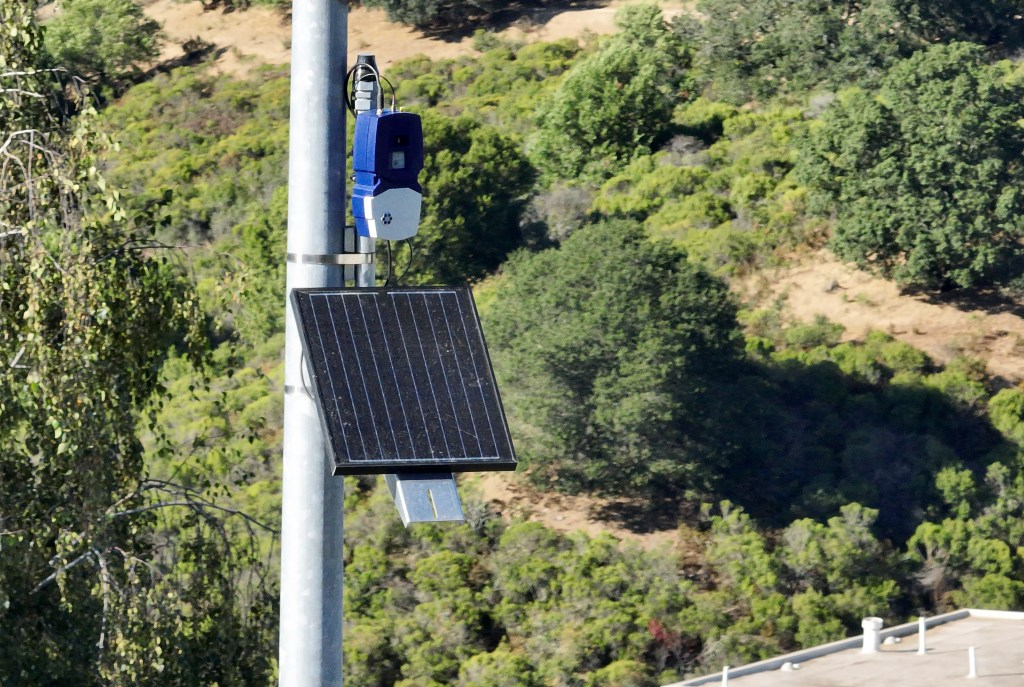
Overview of the Initiative
A new project has introduced fifty AI-powered sensors in the Peninsula area to enhance wildfire detection. This initiative is a collaborative effort involving the FireSafe Council, Stanford University, and local agencies. The sensors are strategically placed in areas where wildlife and human habitats meet, known as the wildland urban interface. Their primary function is to provide real-time alerts to first responders regarding potential fire outbreaks, while also monitoring smoke movement and air quality.
Key Features of the Sensors
- The sensors are solar-powered, ensuring sustainability and continuous operation.
- They utilize artificial intelligence to analyze various environmental factors, including gas levels, particulate matter, and heat.
- The project is part of a broader strategy to improve community safety through advanced technology.
- Previous installations of similar sensors have occurred in other Bay Area locations, such as Santa Clara County and Oakland.
Importance of the Project
This initiative is crucial for enhancing community safety against wildfires, which pose significant risks to lives and property. The collaboration among various agencies signifies a unified approach to disaster management. Early detection of wildfires can lead to quicker responses, ultimately saving lives and protecting the environment. As climate change continues to increase the frequency of wildfires, such innovations are vital for safeguarding communities and preserving natural resources.