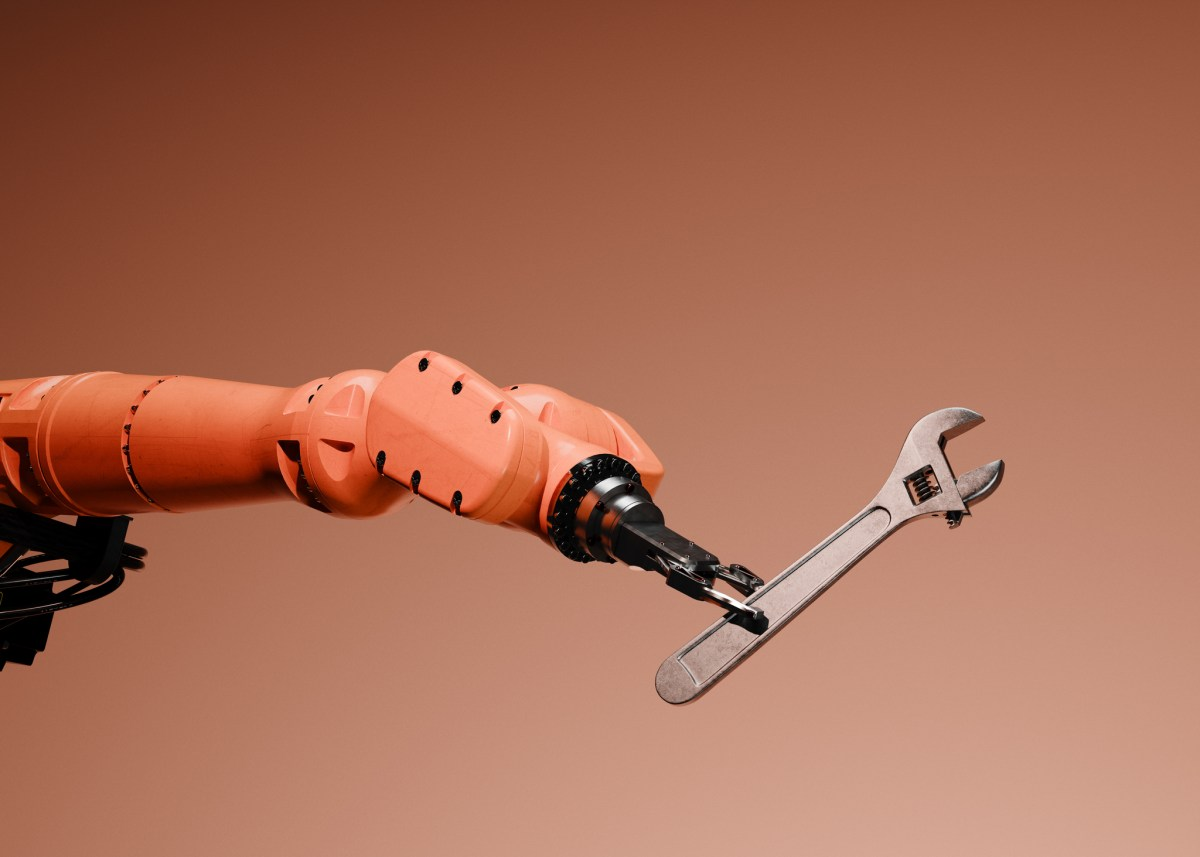
The rise of artificial intelligence is reshaping the workforce landscape, sparking both excitement and anxiety among workers. While there are fears of job losses due to automation, many individuals express a mix of curiosity and optimism about how AI can enhance their roles. A significant number of people are more concerned about AI’s influence on hiring and evaluations rather than outright job replacement. As businesses increasingly adopt AI tools, the conversation shifts from fear to adaptation.
Key Insights:
- A growing number of companies are integrating AI, with 65% reporting regular use of generative AI by mid-2024.
- Goldman Sachs predicts AI investments will hit $200 billion globally by 2025, indicating a strong market trend.
- The World Economic Forum estimates that 97 million new jobs could be created by 2025, despite the potential loss of 85 million jobs due to automation.
- Data privacy and algorithmic bias are significant concerns, with workers expressing skepticism about the safety and ethics of AI systems.
The Bigger Picture:
Understanding AI’s role in the workplace is crucial for future job security and growth. While some jobs may be at risk, many others will benefit from AI’s capabilities. Workers are encouraged to embrace AI as a tool for improving efficiency and creativity in their roles. The ongoing evolution of AI will likely require new skills and adaptability, making it essential for individuals to stay informed and engaged. Ultimately, the human element of work—passion, creativity, and connection—remains irreplaceable, highlighting the importance of balancing technology with personal touch.