Overview of Changes
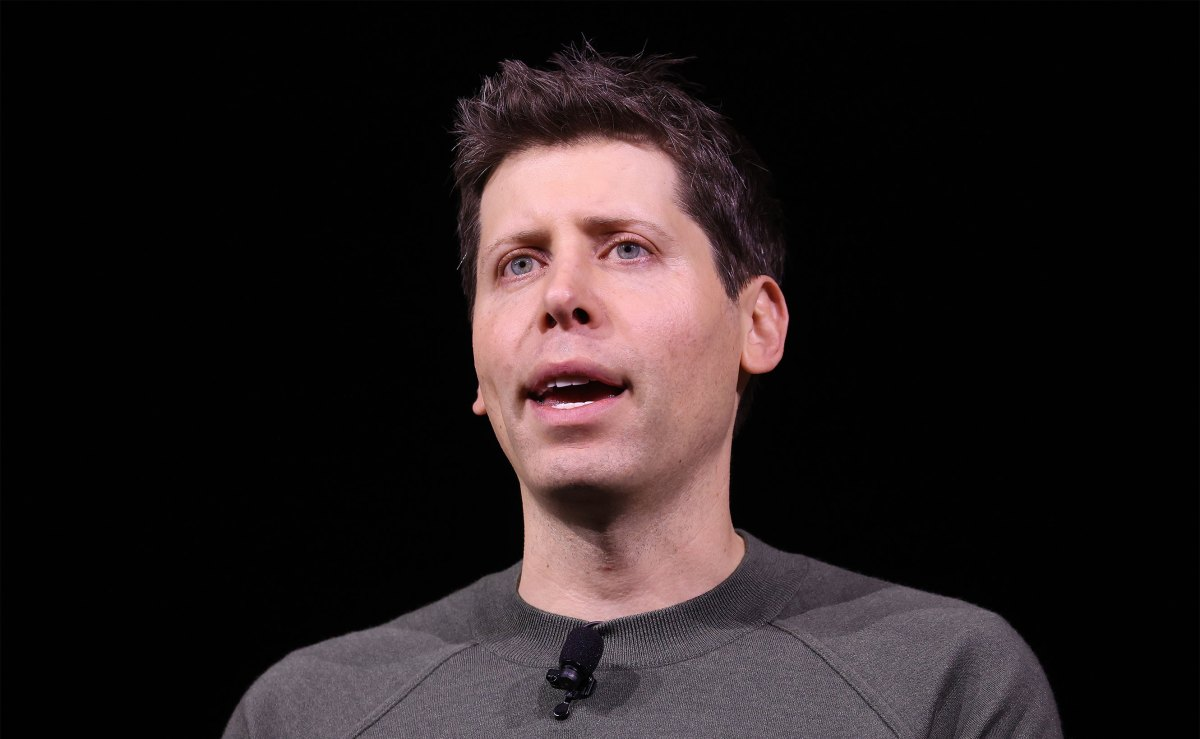
OpenAI is undergoing significant changes in its safety oversight structure following CEO Sam Altman’s departure from the Safety and Security Committee. This committee, initially formed to oversee critical safety decisions, will now operate as an independent board. The new chair, Carnegie Mellon professor Zico Kolter, will lead a team that includes notable figures like Quora CEO Adam D’Angelo and retired Army General Paul Nakasone. The committee will continue to monitor safety assessments and has the authority to delay model releases if safety concerns arise.
Key Details
- The Safety and Security Committee will receive ongoing technical assessments for current and future AI models.
- OpenAI is increasing its lobbying budget significantly, indicating a push for more influence in regulatory discussions.
- Altman’s exit follows criticism from U.S. senators regarding OpenAI’s safety policies and concerns about the company’s commitment to addressing long-term AI risks.
- Ex-board members have expressed skepticism about OpenAI’s ability to self-regulate, citing profit motives as a potential conflict.
Importance of the Shift
This restructuring matters because it reflects broader concerns about AI safety and accountability. As OpenAI seeks to raise over $6.5 billion, the pressure to prioritize profit may hinder its commitment to responsible AI development. The independent oversight could provide a necessary check, but skepticism remains about whether it will genuinely challenge the company’s commercial interests. The future of AI governance is at stake, and how OpenAI navigates these changes could set a precedent for the industry.