Understanding the Challenge
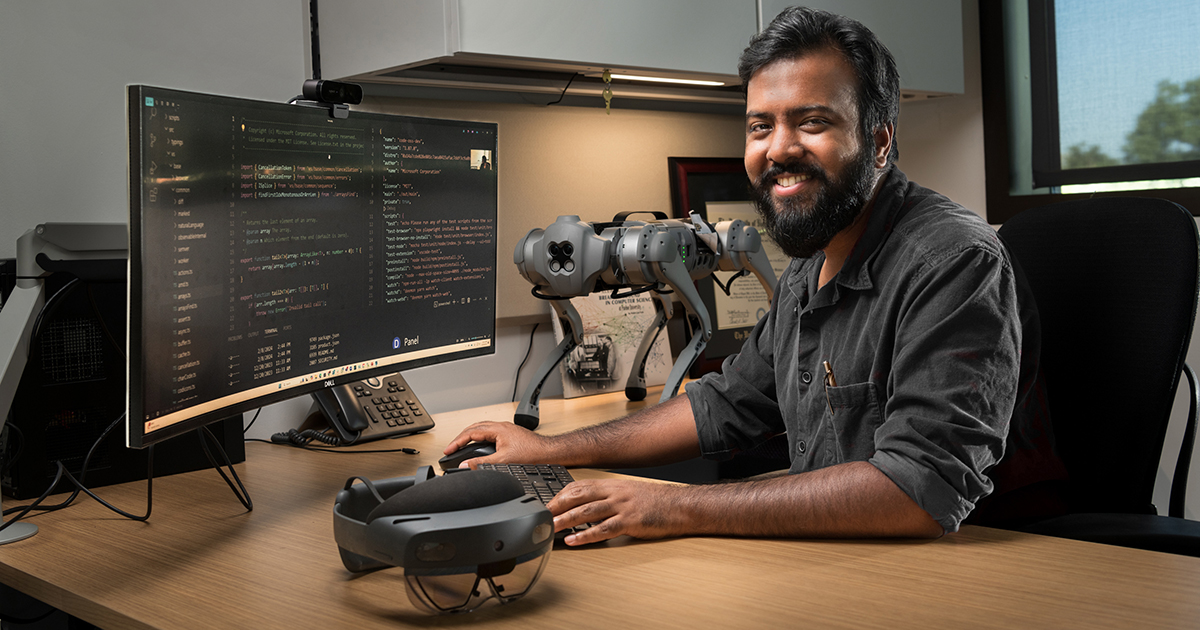
Artificial intelligence (AI) is often compared to how babies learn about their environment. While babies instinctively grasp concepts through exploration, robots rely heavily on programming. Researchers at Purdue University are working on teaching robots to understand and interact with the physical world similarly to humans. This foundational research focuses on closing the gap in how AI learns and applies knowledge in new situations. The goal is to create robots that can navigate complex environments, recognize shapes, and even dance, enhancing their functionality in various tasks.
Key Insights
- Robots currently lack the ability to extrapolate knowledge from one situation to another, unlike humans.
- Teaching robots about physics and movement involves complex modeling and machine learning techniques.
- Motion capture technology is being used to analyze human dance movements to enhance robot coordination and predictability.
- Robots need to integrate multiple visual inputs to navigate unpredictable environments, especially in rescue missions or crowded spaces.
The Bigger Picture
This research is crucial for developing robots that can safely and effectively operate in environments where human interaction is necessary. By improving AI’s ability to understand human behaviors and physical dynamics, robots can become more beneficial in various applications, from emergency response to everyday tasks. Ultimately, this work aims to create a future where robots can seamlessly integrate into human environments, enhancing safety and efficiency in their operations.