Understanding GameGen O
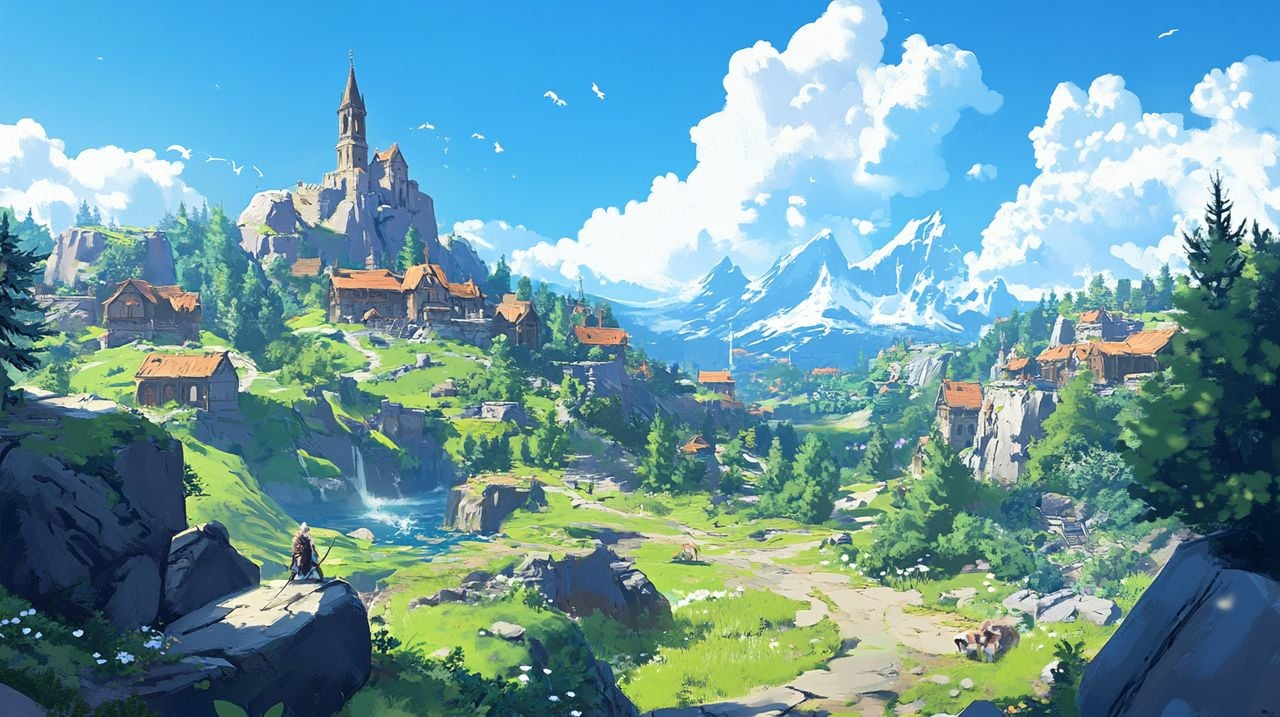
GameGen O is an innovative AI model from Tencent designed to create open-world video games. This technology aims to streamline the game development process by automating the creation of characters, environments, actions, and events. By doing so, it seeks to significantly cut down on the time and costs associated with developing complex game worlds. The model has been trained on a vast dataset, which includes over 150 next-gen games and 4,000 hours of video clips, ensuring it can generate realistic and engaging game content.
Key Features and Limitations
- The AI can produce unique characters with distinct attributes and behaviors.
- It creates immersive environments across various styles and genres.
- The model generates actions and events that enhance gameplay dynamics.
- Currently, it simulates gameplay through video sequences rather than allowing real-time player control.
Despite its capabilities, GameGen O has limitations in interactive control, which is expected to improve in future updates. It targets professional developers, unlike community platforms like Roblox, aiming to empower smaller teams to create intricate games.
Significance and Future Implications
GameGen O represents a major leap in AI-driven game development. It has the potential to democratize the industry, enabling smaller developers to create complex games without extensive resources. This technology could also lead to the evolution of game mechanics and storytelling, paving the way for more dynamic and interactive gaming experiences. However, it raises important questions about intellectual property rights regarding AI-generated content. As GameGen O advances, its applications may extend beyond gaming, influencing virtual reality and filmmaking.