
Understanding the Innovation
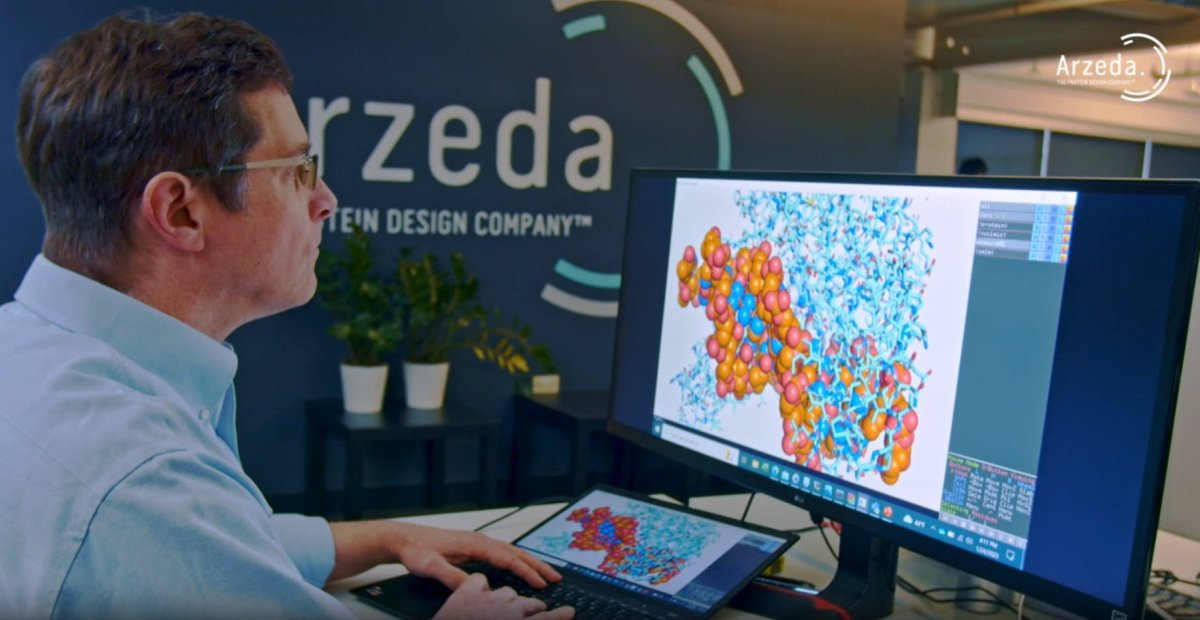
AI is making significant strides in protein design, a field that involves creating proteins with specific traits for various applications. This technology holds potential for drug development and creating sustainable products in agriculture, food, and materials. Arzeda, a Seattle-based company founded in 2009, has developed a platform that utilizes AI to design proteins and enzymes. After years of self-funding, the team sought outside venture capital to scale their operations.
Key Highlights
- Arzeda combines biophysics-informed AI with generative methods, using a proprietary dataset of protein sequences.
- The startup focuses on creating sustainable alternatives to chemical-heavy products, with its first product being a natural stevia-based sweetener.
- Arzeda validates and manufactures its designs, generating revenue through protein sales and partnerships with major companies like Unilever and the Department of Defense.
- Recently, Arzeda raised $38 million in funding, bringing its total to $83 million, which will support production scaling and commercialization efforts.
Broader Implications
The advancements in AI-driven protein design have the potential to transform industries by offering more sustainable alternatives to traditional products. As companies like Arzeda continue to innovate and secure funding, they pave the way for a future where biotechnology can address pressing environmental challenges while maintaining commercial viability. This growth signifies a shift towards greener solutions in various sectors, enhancing both economic and ecological outcomes.





