
Understanding the Transformation
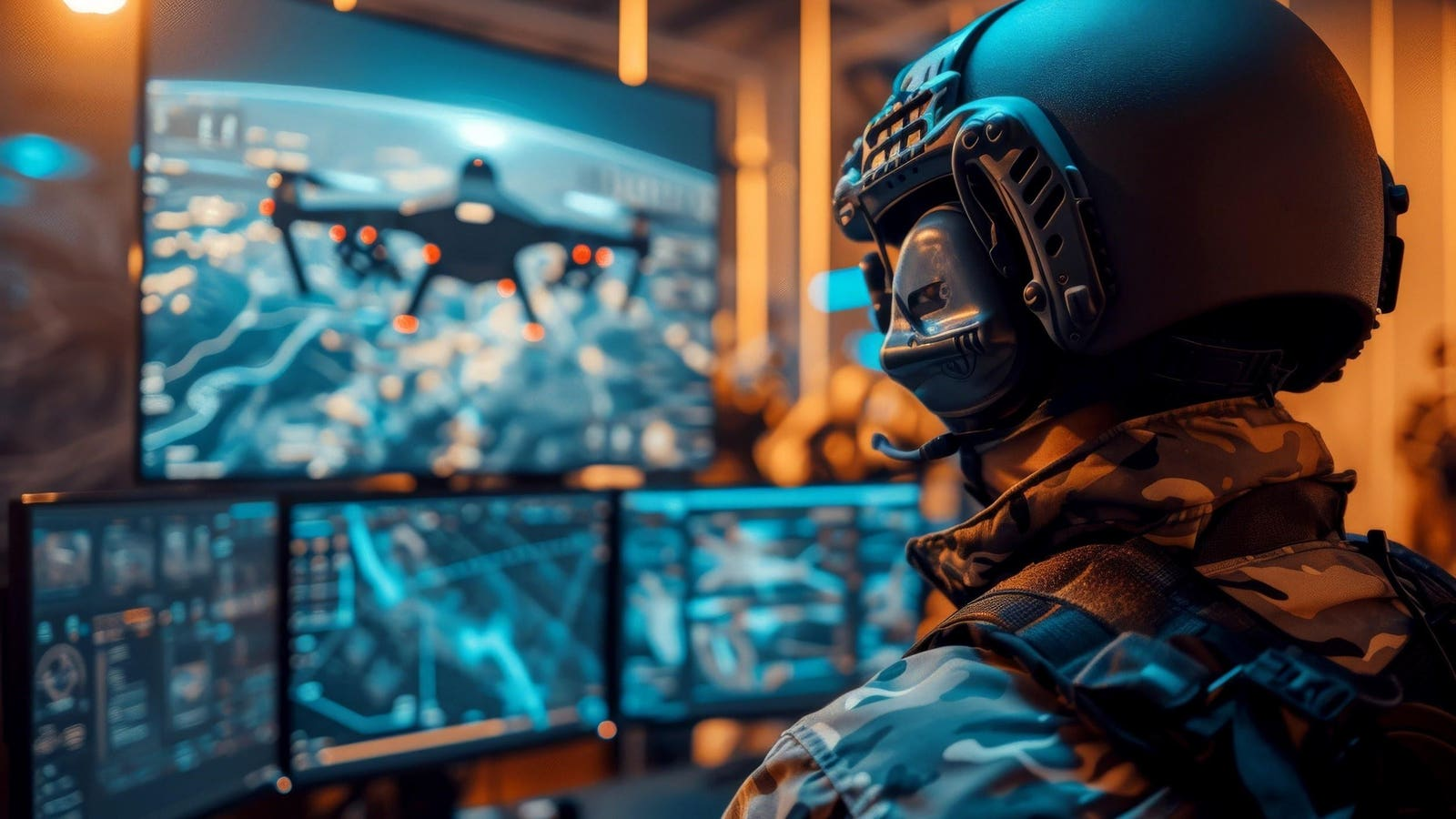
The ongoing conflict in Ukraine has become a pivotal point for the integration of artificial intelligence in military operations. As the war evolves, AI technologies are being implemented for various purposes, from enhancing combat strategies to addressing humanitarian needs. Western companies have played a crucial role in supplying these technologies, aiming to give Ukraine a strategic edge against its larger adversary, Russia. The rapid adoption of AI in warfare is not only changing how battles are fought but also raising significant ethical concerns about the future of military engagements.
Key Developments in AI Warfare
- Autonomous drones are now capable of tracking and engaging targets without human input, marking a shift in combat dynamics.
- Innovative technologies like the BAD One robot can stealthily navigate battlefields, detecting threats and resupplying troops.
- AI is also enhancing humanitarian efforts by managing refugee resettlement and monitoring infrastructure conditions.
- Tools for evidence collection, including facial recognition, are being used to hold war criminals accountable and document troop movements.
The Broader Implications
The integration of AI in warfare challenges existing ethical frameworks and raises questions about the future of combat. While AI can potentially reduce human casualties, it also risks normalizing the use of autonomous systems for lethal decision-making. The debate over the ethical limits of AI in military applications is crucial, as the technology continues to advance rapidly. Understanding these dynamics is vital for shaping policies that govern AI’s role in both warfare and peacetime, ensuring that ethical considerations keep pace with technological innovation.





