Transforming Communication for ALS Patients
A groundbreaking development in artificial intelligence is helping individuals with ALS regain their ability to speak. Researchers at Massachusetts General Hospital have created a system that translates brain activity into speech. This innovation is part of the “BrainGate 2” clinical trial led by Dr. Leigh Hochberg. The aim is to restore communication for those who have lost their voice due to ALS, a disease that severely impacts motor functions.
Key Details of the Breakthrough
- A tiny device, smaller than an M&M, is surgically implanted on the brain to capture speech-related brain activity.
- The AI technology decodes thoughts into written words and then synthesizes them into speech using the participant’s pre-ALS voice.
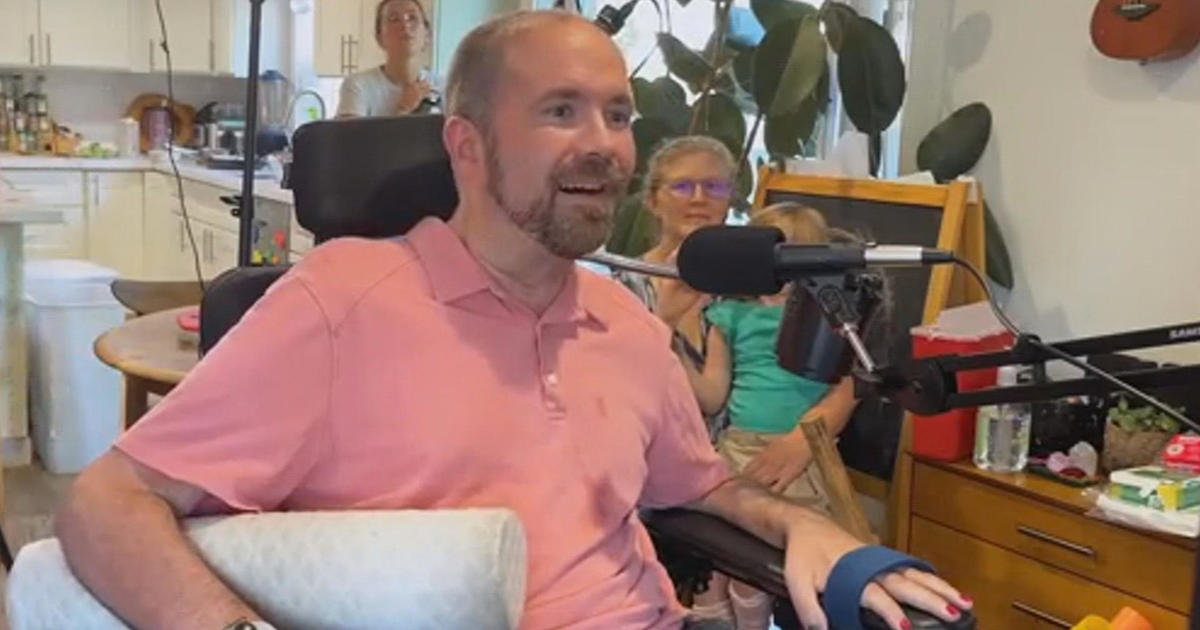
- Emotional reactions from participants and their families highlight the profound impact of this technology.
- The research team is currently seeking more participants for ongoing trials, with five individuals enrolled so far.
Significance of the Innovation
This advancement not only brings hope to those suffering from ALS but also opens doors for future treatments that may restore mobility and other lost functions. The potential to help others regain their voice and independence is monumental. As more participants join the trial, the dream of effective communication for ALS patients is becoming a reality, paving the way for greater advancements in neurotechnology.