
Understanding the Shift
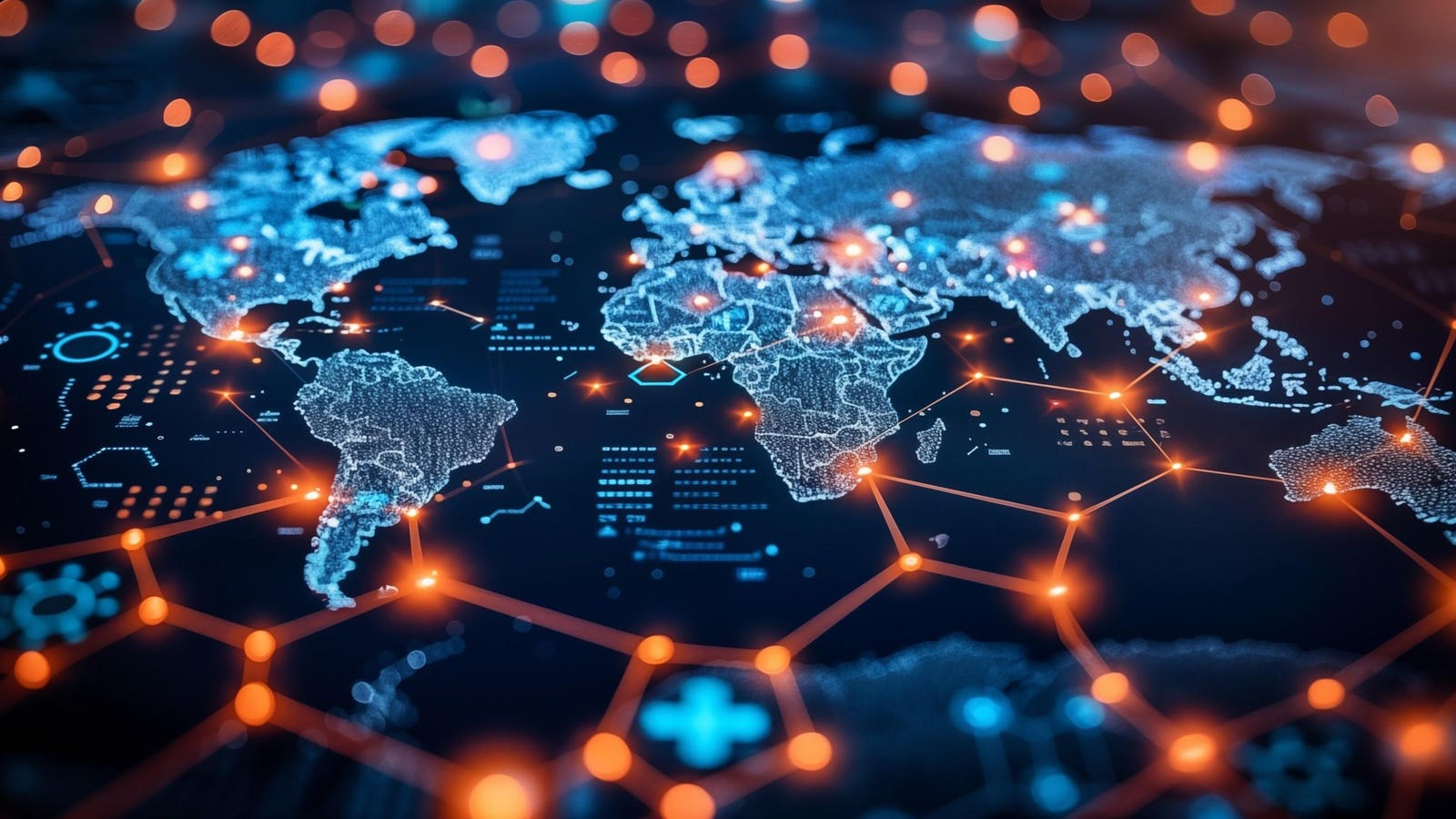
Artificial intelligence (AI) is reshaping global politics and international relations. As nations invest in AI for security, intelligence, and economic gains, their power dynamics are shifting. This technology is not just a tool but a potential game-changer in how countries interact on the world stage. The RAND think tank has highlighted that countries could experience significant changes in their global standing depending on how they develop and manage AI technologies.
Key Insights
- Nations are restricting AI technology exports to protect national security and maintain competitive advantages.
- The Ukraine conflict showcases how AI can enhance military capabilities and cyber defenses, impacting security strategies.
- Countries like Taiwan and South Korea play crucial roles in the semiconductor supply chain, balancing relationships with both Western nations and China.
- Protectionist measures, such as the EU AI Act, reflect a growing trend towards techno-nationalism, which can hinder international collaboration.
The Bigger Picture
The rise of AI presents both opportunities and challenges. While it can drive innovation and solve global issues, such as climate change, it also risks creating barriers between nations. The future will likely involve a blend of competition and cooperation, where countries must find ways to collaborate on AI development while addressing their national interests. The urgency for international dialogue and frameworks for cooperation is critical to ensure that AI benefits all of humanity rather than deepening divides.





