Understanding the Shift in Math Learning
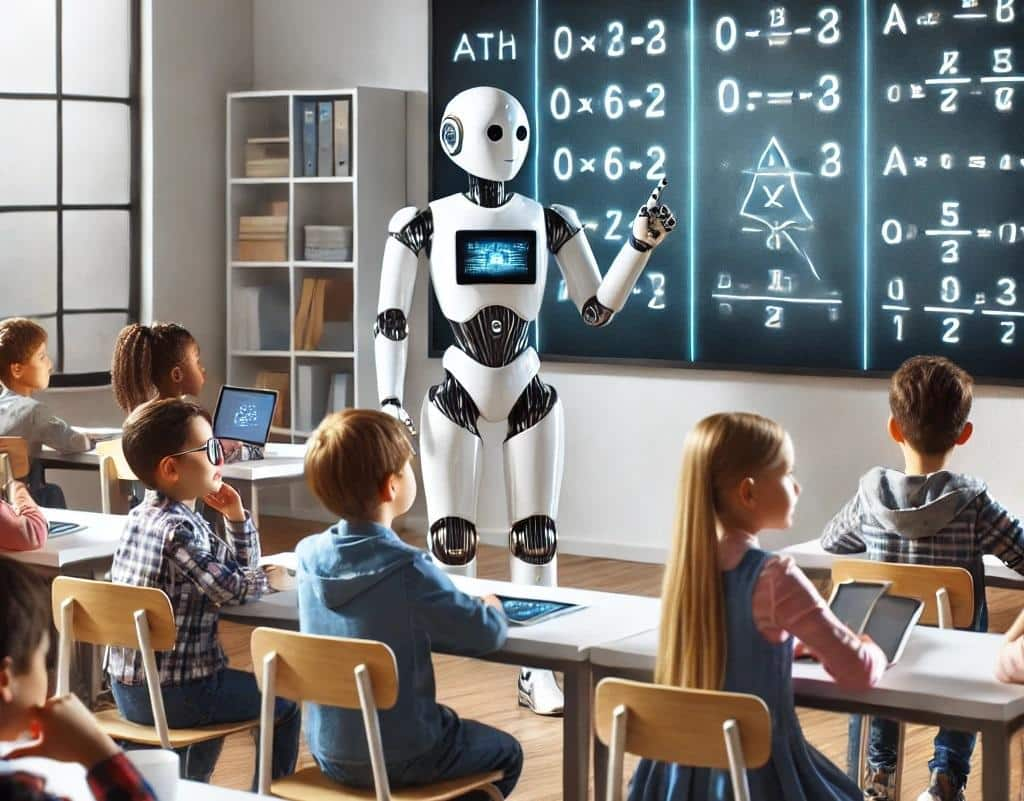
Math education is undergoing a transformation thanks to advanced technology. Intelligent machines are now capable of personalizing learning experiences, making math less intimidating for students. With AI, math classes can evolve from traditional teaching methods to dynamic, interactive environments tailored to individual needs. This shift aims to boost student confidence, engagement, and understanding of math concepts.
Key Features of AI in Math Education
- Personalized Learning Paths: AI platforms adapt lessons based on each student’s strengths and weaknesses, ensuring that learning is effective and tailored.
- Real-Time Feedback: Instant analysis helps students understand mistakes immediately, allowing for better retention and comprehension of math concepts.
- Support for Teachers: AI can automate routine tasks like grading, freeing up teachers to focus on personalized instruction and student engagement.
- Innovative Tools: Applications like Math Solver AI and Knewton’s Alta provide students with detailed explanations and adaptive learning experiences that cater to their unique needs.
The Bigger Picture in Education
The integration of AI in math classrooms is not just a trend; it represents a significant shift in educational practices. As AI continues to evolve, it will offer more robust tools for both students and teachers, leading to improved learning outcomes. This change is vital, especially for students who struggle with math, as it provides them with the support they need to succeed. The future of education is bright, with AI paving the way for more personalized and effective learning experiences.