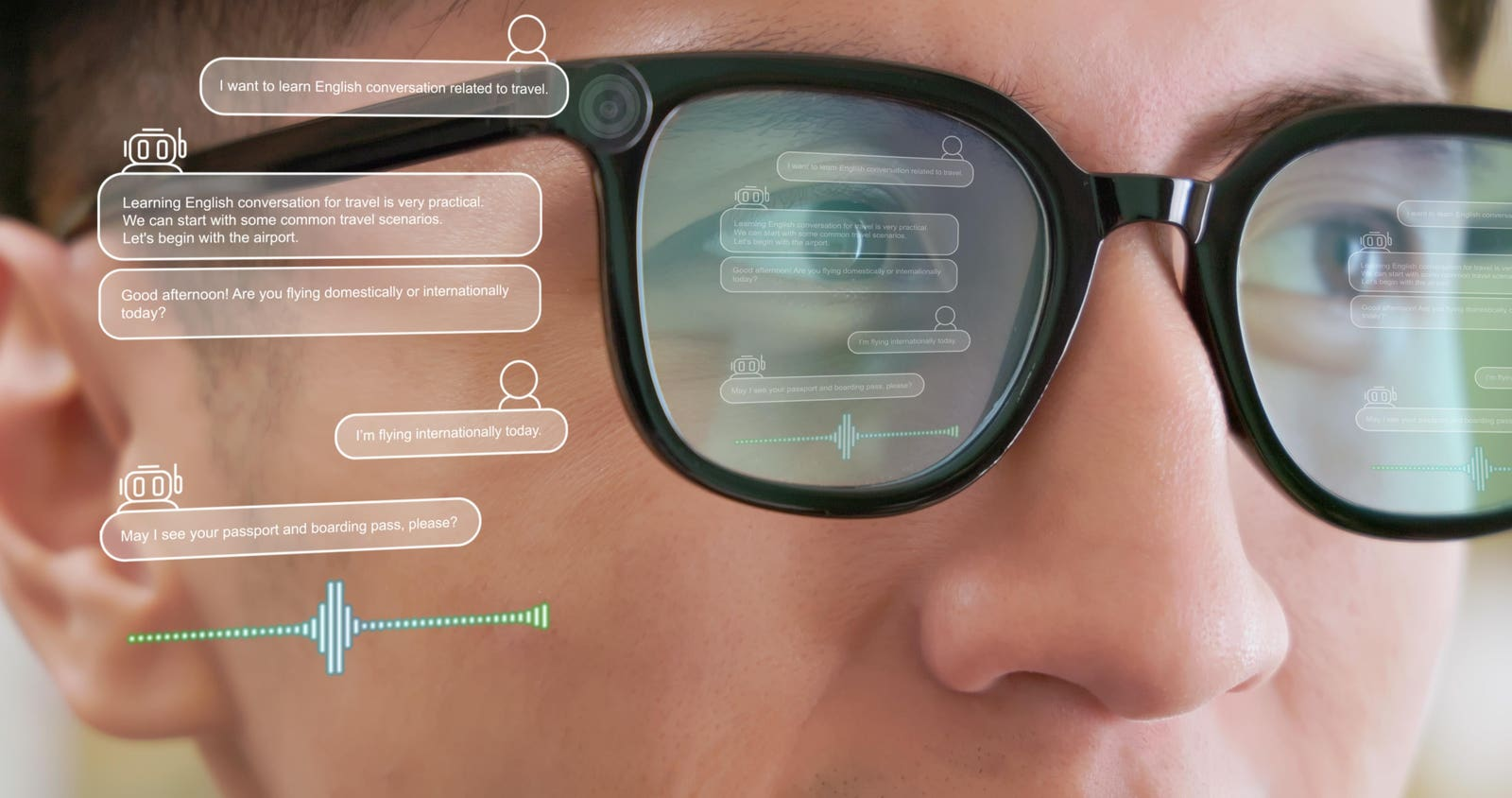
Understanding AI’s Impact on Education
AI is reshaping education in significant ways. It offers both opportunities and challenges for students and teachers. While some students misuse AI tools like ChatGPT for cheating, many educators are finding ways to integrate AI into learning effectively. The focus is shifting towards using AI as a support tool rather than a shortcut. Teachers can harness AI for lesson planning and to make classes more engaging.
Key Insights
- Educators face challenges with students submitting AI-generated work.
- Some tools exist to detect AI content, but their reliability varies.
- Teachers encourage students to understand AI’s limitations, such as hallucinations and inaccuracies.
- Low-cost devices like Raspberry Pi can run AI models, allowing hands-on experimentation.
- Open-source tools like Prompt Mixer help students learn about AI’s functionality and improve their questioning techniques.
Significance of AI in the Classroom
The integration of AI in education is crucial for preparing students for a technology-driven future. By allowing controlled use of AI, educators can foster critical thinking and creativity. Students learn to analyze AI outputs and understand the technology’s capabilities. This approach not only reduces cheating but also enhances overall learning experiences. Embracing AI can lead to more informed, tech-savvy students ready for the challenges ahead.