Understanding AI’s Role in Society
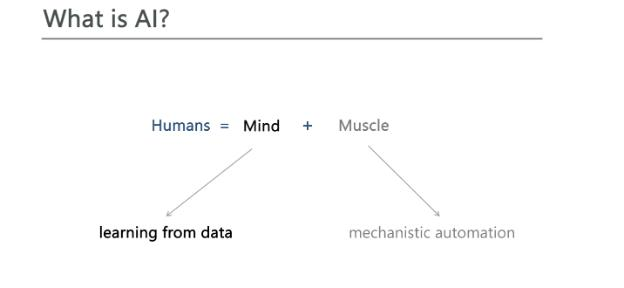
This discussion delves into the philosophical and practical aspects of AI automation across various industries. It highlights insights from Devavrat Shah’s recent talk, focusing on how we can evaluate AI systems and their outcomes. A key concept presented is the idea of cognitive output, which combines the ‘mind’—the learning aspect of AI—and ‘muscle’—the mechanistic automation that applies assessments to data. This duality helps in understanding AI’s functioning and its impact on decision-making.
Key Insights from the Talk
- AI’s cognitive output is a blend of learning (mind) and mechanistic processes (muscle).
- Evaluating AI outcomes involves understanding probability and counterfactual distributions.
- Regulations should serve as norms that ensure compliance and proper evaluation of AI systems.
- Frameworks for information sources can either restrict to accepted sources or include diverse inputs while maintaining consistency.
- The Ikigai AI Ethics Council is working on recommendations for better AI practices, emphasizing interdisciplinary collaboration.
The Bigger Picture
The implications of AI’s integration into society are vast, touching on ethics, regulation, and the need for robust frameworks. As AI continues to evolve, understanding its cognitive processes and regulatory needs becomes crucial. These discussions pave the way for responsible AI development, ensuring that as automation advances, it does so with accountability and clarity. The insights shared by Shah are vital for shaping the future landscape of AI, where collaboration and ethical considerations will guide its growth.