The State of AI Wearables
The AI wearables market has experienced a tumultuous year, with high expectations followed by disappointing results. Despite initial excitement surrounding devices like the Humane AI Pin and Rabbit R1, these products failed to live up to their lofty promises. This trend echoes the struggles faced by smart glasses and augmented reality headsets over the past decade, including notable failures like Google Glass and limited success from companies such as Magic Leap and Apple.
Key Insights
- AI wearables have struggled to gain traction in the consumer market
- Previous attempts at smart glasses and AR headsets have largely failed
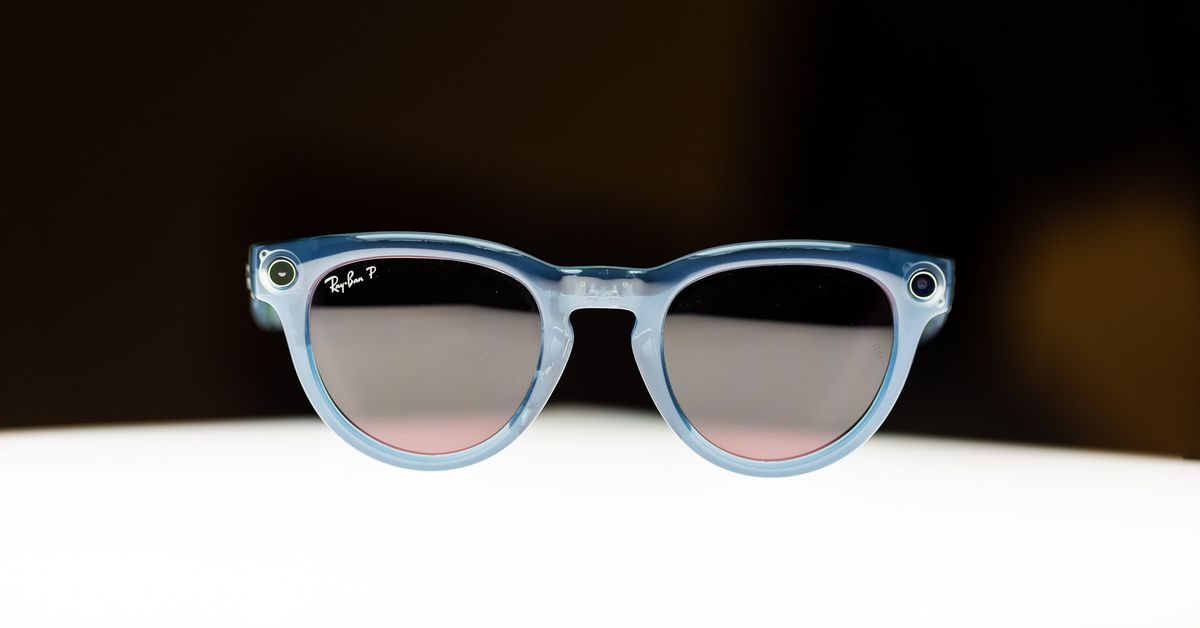
- Ray-Ban Meta smart glasses have emerged as a potential success story
- Meta’s approach focuses on style, affordability, and practical features
Why Ray-Ban Meta Glasses Stand Out
The Ray-Ban Meta smart glasses have unexpectedly found success where other AI wearables have faltered. Their success can be attributed to several factors:
- Stylish design with multiple options to suit individual preferences
- Affordable price point compared to competitors
- Practical features that integrate seamlessly into daily life
- AI functionality as a complementary feature rather than the main focus
The glasses offer a range of useful capabilities, including object identification, translation, and video calling. While the AI features may not be perfect, they work well enough to provide value without being the sole selling point of the device.
The Future of AI Wearables
Meta’s success with the Ray-Ban smart glasses demonstrates a potential path forward for AI wearables. By prioritizing style, affordability, and practical functionality, Meta has created a product that consumers are willing to adopt. However, the challenge now lies in improving the AI capabilities to make them truly indispensable.
As Meta continues to refine its smart glasses, the company is well-positioned to lead the way in the AI wearables market. With a strong partnership with EssilorLuxxotica and a focus on iterative improvements, Meta has the potential to bridge the gap between current smart glasses and the future of AI-powered wearable technology.