Understanding the Challenge
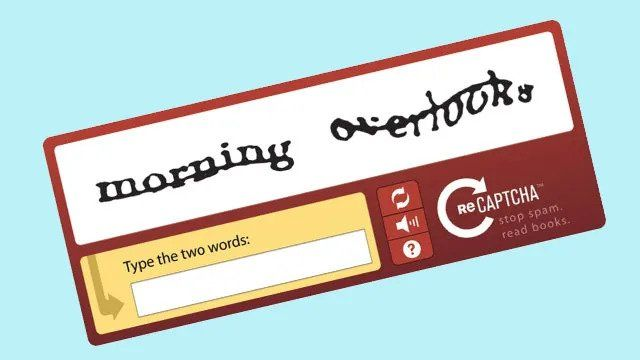
CAPTCHA puzzles have long been a tool to distinguish humans from bots on websites. However, recent research from ETH Zurich shows that AI can now solve these puzzles with remarkable accuracy. The study highlights how an AI model, based on YOLO, was trained to recognize objects in CAPTCHA images. This breakthrough raises serious concerns regarding web security and the effectiveness of CAPTCHA in preventing automated attacks.
Key Findings
- The AI model achieved a high success rate in solving Google’s reCAPTCHA v2 puzzles.
- It was trained using 14,000 labeled street images, allowing it to recognize objects as well as humans do.
- The simplicity of the CAPTCHA design, focusing on just a few object categories, made it easier for the AI to succeed.
- Despite enhancements like device fingerprinting, the AI continued to perform well, indicating vulnerabilities in current security measures.
The Bigger Picture
The ability of AI to bypass CAPTCHA systems poses significant risks to online security. If CAPTCHA becomes ineffective, websites may face increased spam, fake account creation, and other malicious activities. This situation calls for a reevaluation of security measures, pushing developers to consider more advanced techniques, such as behavioral analysis and biometric verification. As AI technology evolves, the cybersecurity landscape must adapt to ensure user safety while maintaining a smooth online experience.