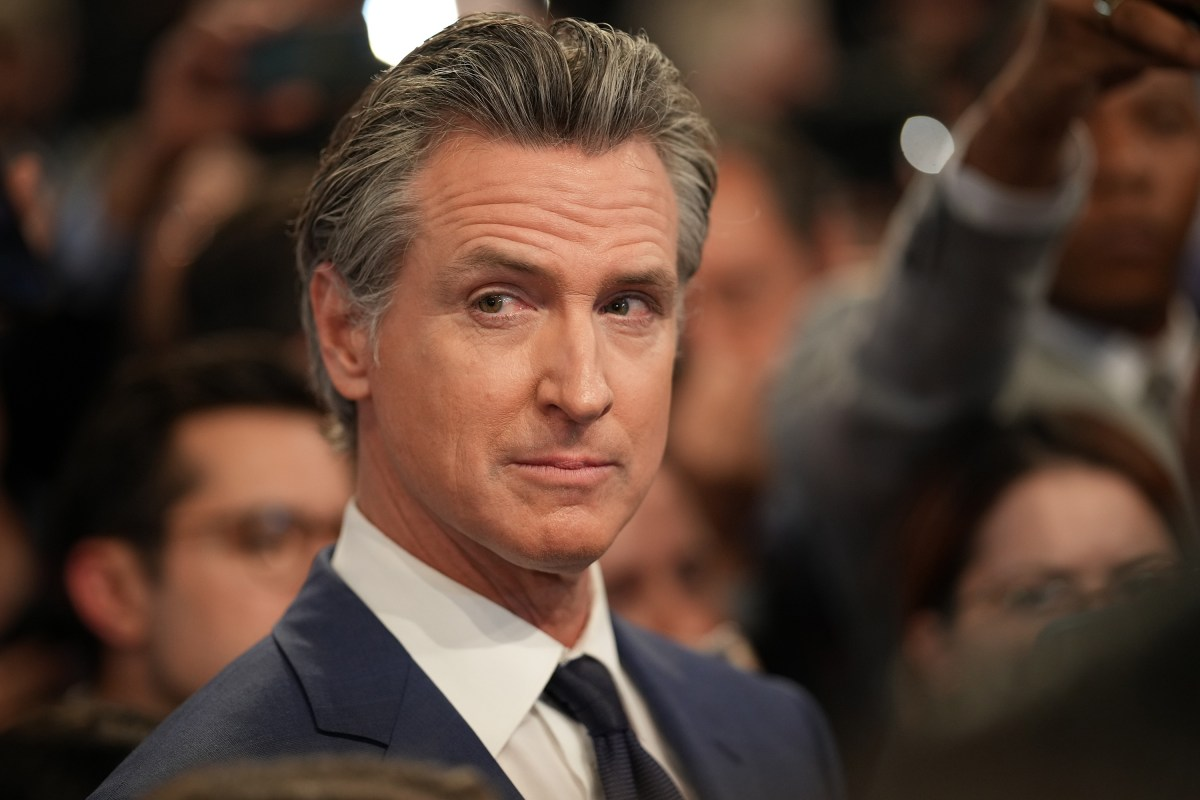
Overview of AI Legislation
California is taking significant steps to regulate artificial intelligence through a series of 38 proposed bills, with Governor Gavin Newsom currently reviewing them. Among these, SB 1047 has gained considerable attention due to its potential impact on the AI landscape. The aim is to address urgent issues related to AI technology, including the risks it presents and the ethical concerns surrounding its use in various sectors. Governor Newsom’s office emphasizes the need to balance innovation with safety as the state is home to many leading AI companies.
Key Legislative Actions
- Newsom has signed nine bills into law, marking California’s commitment to comprehensive AI regulation.
- AB 2905 mandates robocalls to disclose if AI-generated voices are used, aiming to prevent confusion among voters.
- Two new laws, SB 926 and SB 981, tackle the creation and distribution of deepfake nudes, criminalizing blackmail and establishing reporting channels on social media.
- SB 942 requires AI-generated content to be labeled, enhancing transparency for users.
- New laws like AB 2655 and AB 2839 focus on election-related deepfakes, enforcing removal or labeling on major platforms to protect voters.
Significance of These Regulations
The implementation of these laws is crucial for maintaining trust in technology and protecting individual rights. As AI continues to evolve, California’s proactive approach could set a precedent for other states and nations. By addressing deepfakes, robocalls, and the use of AI in media, California aims to create a safer digital environment. The ongoing discussions around SB 1047 reflect a broader consideration of AI’s risks and benefits, emphasizing the need for responsible governance in this rapidly advancing field.