Overview of OpenAI’s Journey
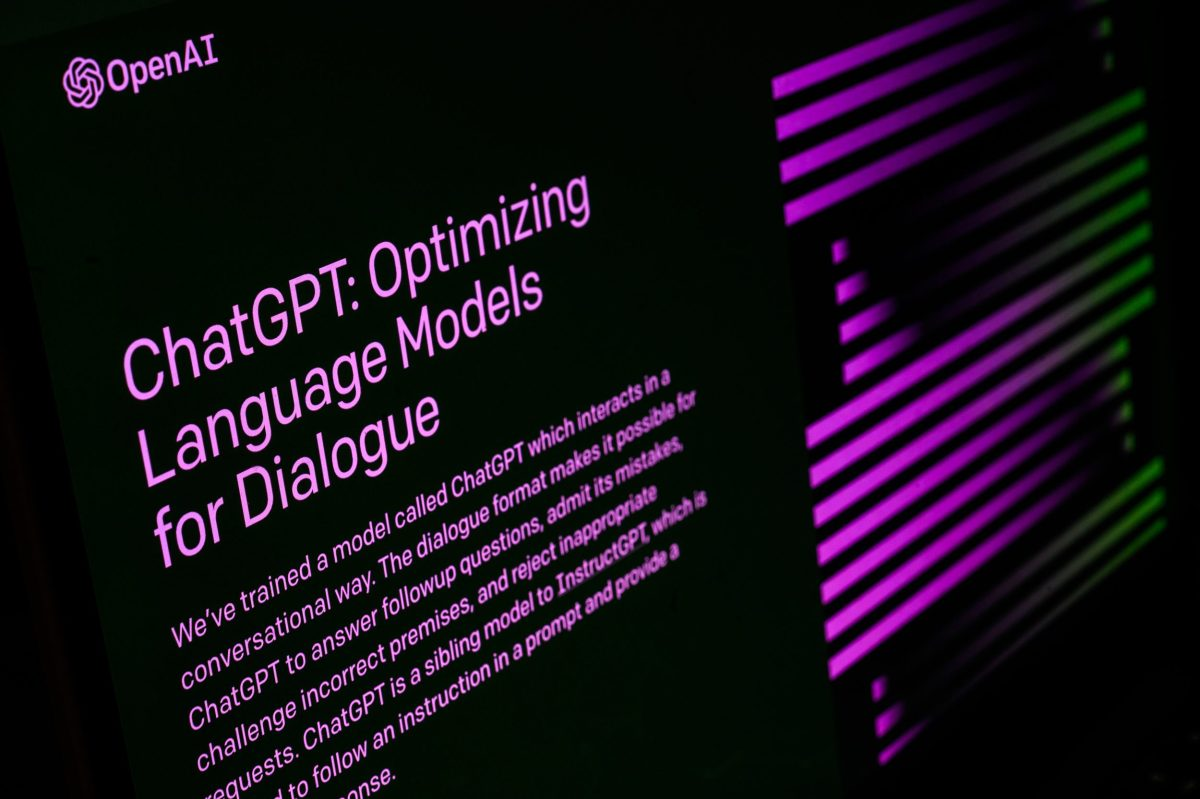
OpenAI’s ChatGPT has transformed from a simple productivity tool into a powerful AI used by over 92% of Fortune 500 companies. Since its launch in November 2022, it has seen rapid growth and significant partnerships, including a notable collaboration with Apple for its upcoming generative AI product. The introduction of the new GPT-4o model has further advanced its capabilities, offering features like voice and vision. However, this growth has not come without challenges, including internal strife and legal battles.
Key Developments and Events
- OpenAI launched GPT-4o, its latest model, which includes advanced voice features but faced controversy over voice mimicry allegations.
- The company has dealt with significant internal changes, including the departure of co-founder Ilya Sutskever and the dissolution of its Superalignment team.
- OpenAI is currently facing lawsuits from various media organizations, alleging copyright infringement related to the training data used for ChatGPT.
- The rollout of new features like Advanced Voice Mode and partnerships with major companies like Volkswagen and Condé Nast highlight ongoing innovation.
Significance and Future Implications
The rapid evolution of ChatGPT signifies a shift in how AI can be integrated into various industries. As OpenAI navigates legal challenges and internal changes, its future direction will likely shape the landscape of AI technology. The controversies surrounding voice mimicry and copyright issues raise ethical questions about AI usage and rights, making it crucial for OpenAI to address these concerns transparently. The ongoing developments in AI capabilities reflect a broader trend of increasing reliance on technology in everyday tasks, emphasizing the importance of responsible AI deployment.