
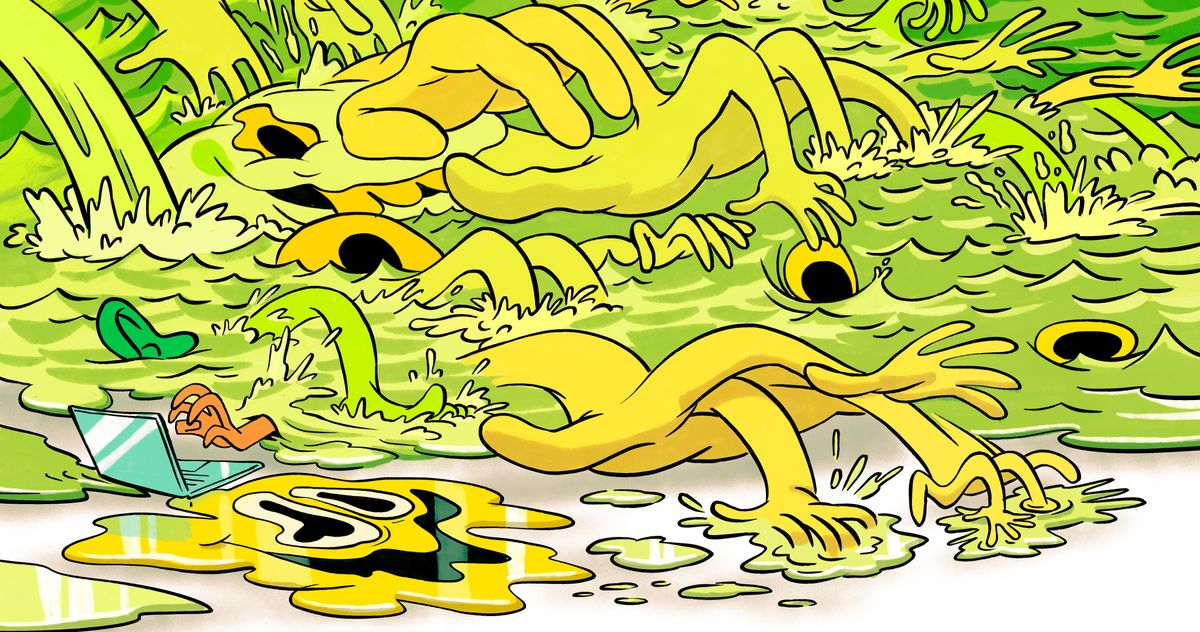
Understanding the Slop Phenomenon
A troubling trend is emerging in our digital landscape: the rise of AI-generated content, often referred to as “slop.” This term describes the low-quality, nonsensical material flooding websites and platforms, overwhelming genuine creativity. Neil Clarke, founder of Clarkesworld magazine, first noticed this issue in late 2022 when submissions surged, but many were clearly AI-generated. The magazine had to close submissions temporarily due to the overwhelming amount of slop, marking a significant moment in the struggle against AI’s impact on creativity.
Key Details
- AI-generated content is increasingly prevalent on major platforms, creating a chaotic online environment.
- The rise of slop threatens the integrity of information by clogging search results and overwhelming institutions.
- Academic papers and books are also being affected, as AI-generated works infiltrate libraries and research.
- The slop economy thrives on the demand for content, with creators leveraging AI tools to generate material for profit.
Implications for the Future
The implications of slop are vast and troubling. As AI continues to dominate content production, the quality of information is at risk. Readers and consumers must navigate a world filled with unverified, low-quality material, and the burden of sorting through this noise falls on everyone. The demand for quick, cheap content has created a cycle that prioritizes quantity over quality, leading to a future where discerning valid information becomes increasingly difficult. This trend highlights a critical need for better content curation and a reevaluation of our consumption habits in the digital age.





