Understanding AI’s Role in Education
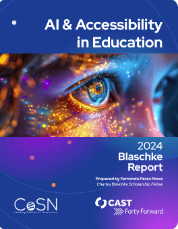
Artificial intelligence (AI) is changing the landscape of education, especially for students with disabilities. A recent report titled “AI and Accessibility in Education” focuses on how AI can enhance educational accessibility. It offers a detailed examination of the benefits, challenges, and practical strategies for integrating AI into classrooms. The report aims to guide educators, district leaders, and policymakers in understanding how AI can be used effectively and ethically to support all students.
Key Insights from the Report
- AI tools can personalize learning experiences, catering to individual student needs, particularly those with disabilities.
- Case studies demonstrate successful AI applications, such as creating customized learning materials and facilitating communication for students with speech challenges.
- Challenges exist, including data privacy, algorithmic bias, and the risk of widening inequality if AI tools are not designed inclusively.
- Policies like the Americans with Disabilities Act (ADA) and the Universal Design for Learning (UDL) framework are essential for ensuring ethical AI use in education.
The Bigger Picture of AI in Education
The integration of AI in educational settings has the potential to create more inclusive learning environments. With the right policies and frameworks, AI can help bridge gaps for students with disabilities, enabling them to thrive. Collaboration among educators, policymakers, and technology developers is vital for overcoming challenges and ensuring that AI serves as a tool for equity. The future of education hinges on thoughtful AI implementation that prioritizes accessibility for all.