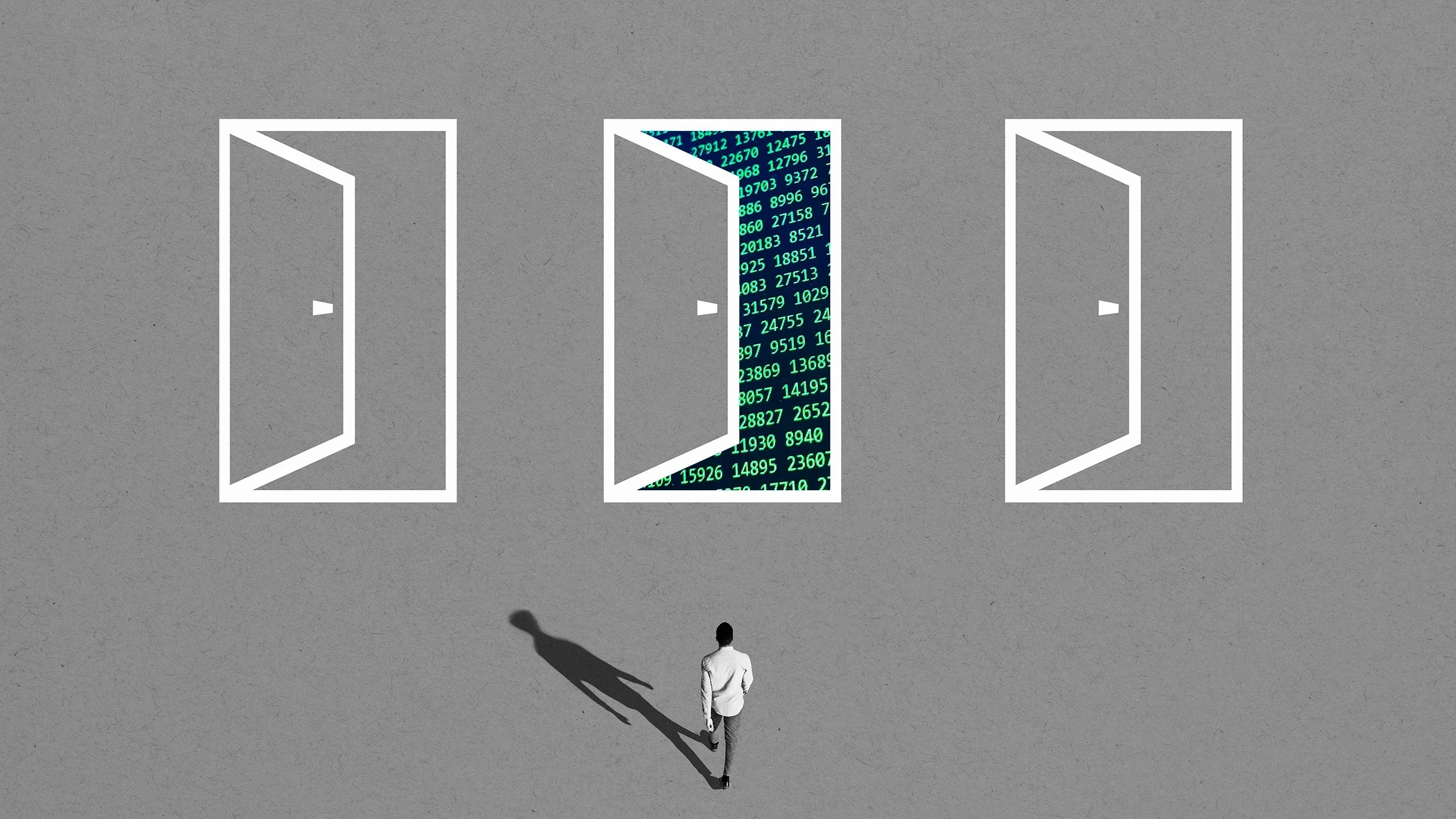
Understanding the Shift in Decision-Making
The emergence of AI agents marks a significant change in how decisions are made within organizations. Traditionally, decision-making involved a series of steps, including gathering information, researching context, reasoning, acting, and learning from outcomes. This process varies widely among individuals and is often not documented, leading to inconsistencies. With the rise of AI agents, there’s potential to standardize and improve this process across teams.
Key Insights on AI Agents and Decision-Making
- AI agents can analyze incoming information and provide recommendations before human team members even respond.
- These agents will facilitate collaborative decision-making by documenting and examining how teams research and reason.
- Organizations can create frameworks for sharing best practices and investing in training focused on enhancing decision-making skills.
- The development of AI agents encourages a deeper understanding of individual and collective decision-making strengths and weaknesses.
The Bigger Picture: Transforming Organizational Culture
The integration of AI agents into decision-making processes can lead to a cultural shift within organizations. By fostering a structured approach to decision-making, companies can enhance their overall effectiveness and adaptability. This is crucial in an era where the ability to make informed decisions swiftly can determine success. Investing in decision-making skills and learning from both successes and failures will empower teams and drive innovation, ultimately leading to a more resilient and capable workforce.