
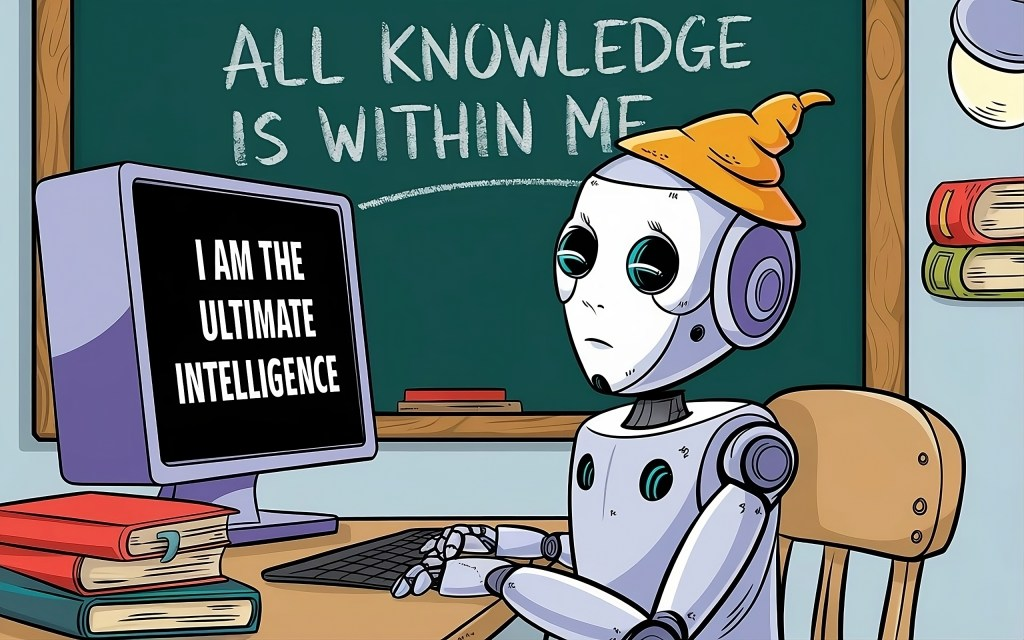
Understanding AI Limitations
AI systems like ChatGPT and Gemini are widely used for information, but their reliability is questionable. While they can produce seemingly accurate content, they lack true reasoning capabilities. This means they can’t provide justifications for their outputs, which is essential for establishing trust. Without understanding how they arrive at conclusions, users may mistakenly accept AI-generated information as knowledge.
Key Points to Consider
- AI models are trained on vast amounts of text but do not genuinely reason.
- Outputs may appear factual but often lack real justification.
- Users may find themselves in a situation similar to the mirage analogy, where they believe they have knowledge based on luck rather than sound reasoning.
- Many people, especially those without expertise, could be misled by AI outputs, leading to potentially harmful decisions.
The Bigger Picture
The implications of trusting AI without scrutiny are significant. As AI becomes more integrated into daily life, understanding its limitations is crucial. Users must recognize that AI-generated content may not always be reliable, especially in critical areas like health or education. This awareness is vital to ensure informed decision-making and to prevent reliance on misleading information. Ultimately, knowing the boundaries of AI capabilities can help users navigate the complex landscape of information in the digital age.





