Understanding the AI Revolution
AI technology is advancing rapidly, changing how we work and interact. Tools like Google’s NotebookLM are now capable of creating realistic conversations, showcasing AI’s potential to mimic human behavior. This shift indicates a broader trend where AI will play a central role in various workplace functions. As AI systems become more sophisticated, they will take on more complex tasks and become integral members of teams rather than just assistants.
Key Developments to Anticipate
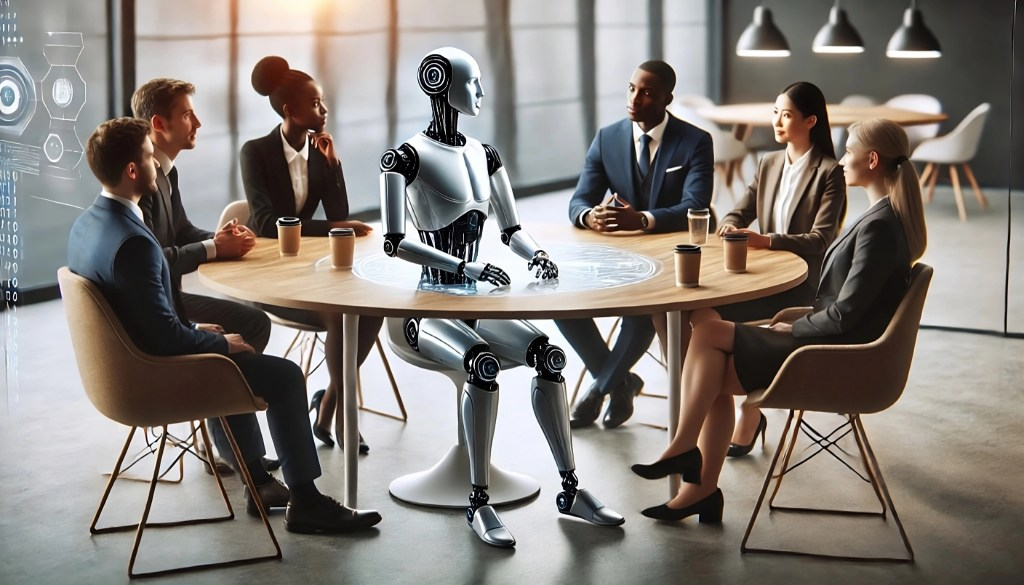
- By 2030, AI agents will manage complex tasks and collaborate with human workers.
- Digital humans will enhance customer service by providing personalized interactions.
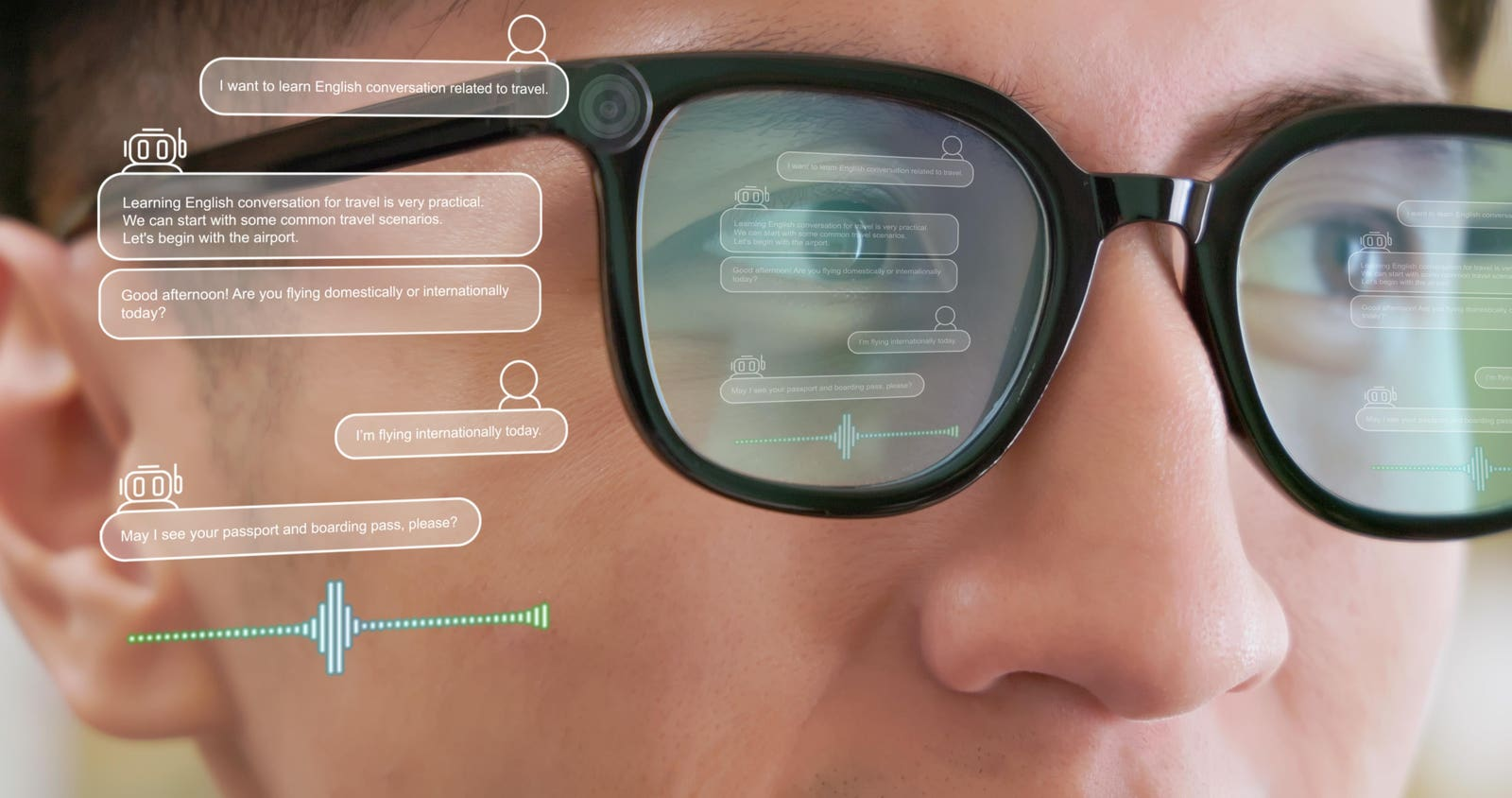
- Conversational AI will facilitate meetings and customer engagements, sounding indistinguishable from real humans.
- AI will support leaders with insights and analytics, transforming decision-making processes.
- New job roles will emerge focused on oversight and ethical AI use, requiring continuous reskilling.
The Bigger Picture
The integration of AI into the workplace is not just about efficiency; it represents a fundamental shift in how we conduct business. Companies that adopt AI will likely lead their industries, while those that delay may struggle to keep up. The relationship between humans and AI should not be viewed as competitive; rather, it is a partnership that can enhance creativity and efficiency. As we prepare for this future, investing in ethical AI practices and employee training will be crucial for success.