Understanding the Challenge
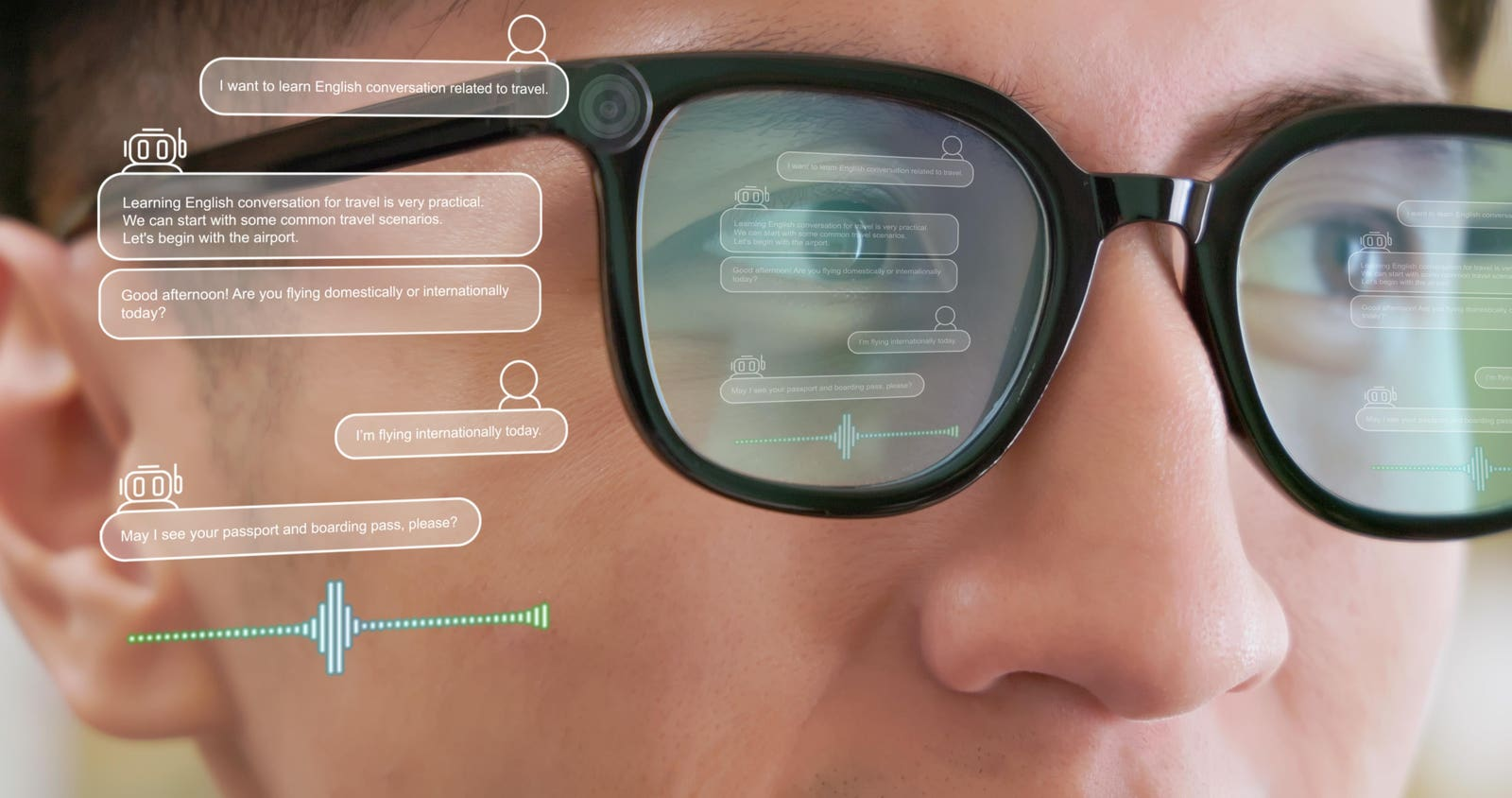
AI-generated plagiarism is causing confusion and frustration in colleges across the US. As students increasingly use AI tools for their assignments, educators find themselves grappling with how to address this new form of cheating. The absence of clear guidelines leaves both professors and students unsure about the acceptable use of AI in academic work. The situation has led to a breakdown in trust between students and faculty, complicating the educational environment.
Key Details
- Many professors have noticed a steep rise in AI plagiarism since the introduction of AI text generators like ChatGPT.
- Initial responses included outright bans on AI tools, but now some educators are integrating them into their teaching while stressing responsible use.
- Individual departments and professors are left to create their own policies, resulting in a patchwork of approaches across institutions.
- Detecting AI-generated content is becoming increasingly difficult as the technology improves, adding to the workload for educators who must now distinguish between original and AI-assisted work.
The Bigger Picture
This ongoing issue highlights the urgent need for a unified approach to AI use in academia. As technology evolves, so too must the strategies for teaching and assessing students. The challenge of AI plagiarism is not just about cheating; it touches on broader themes of integrity, trust, and the future of education. If colleges do not adapt quickly, they risk falling behind in fostering an environment that encourages genuine learning and academic honesty.