
Understanding the Breakthrough
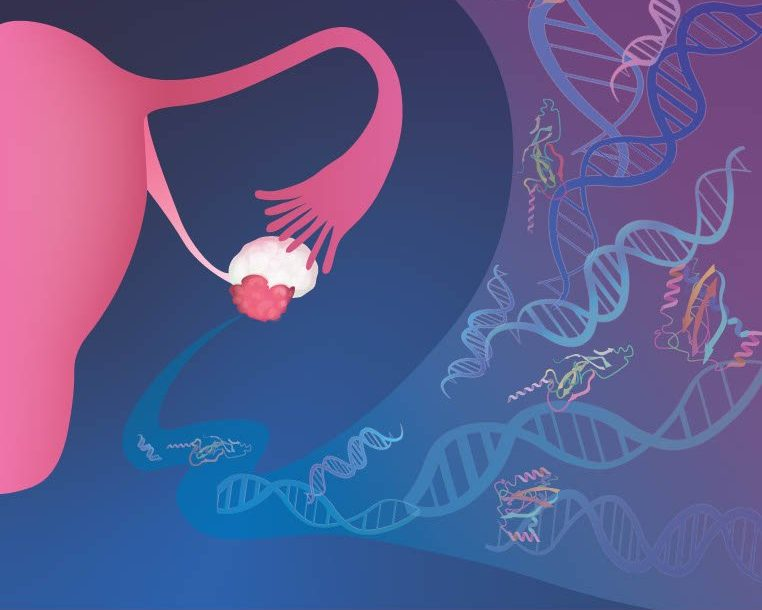
A new study reveals that a liquid biopsy combined with artificial intelligence (AI) can enhance early detection of ovarian cancer. This innovative approach analyzes blood samples for tumor components and genetic changes, offering a non-invasive screening method. Conducted by researchers at the Johns Hopkins Kimmel Cancer Center, the findings emphasize the potential for widespread use in identifying ovarian cancer at earlier stages, which is crucial for improving survival rates.
Key Findings and Innovations
- The study utilized AI-powered analysis of cell-free DNA (cfDNA) and two protein biomarkers (CA-125 and HE4) to improve detection accuracy.
- The DELFI-Pro test showed a detection rate of 72% to 100% for various stages of ovarian cancer, significantly outperforming conventional methods.
- This method can distinguish between benign and cancerous ovarian growths, reducing unnecessary surgeries.
- Early detection is vital as ovarian cancer has a high mortality rate, with most cases diagnosed at advanced stages.
Significance for Women’s Health
This research addresses a critical gap in ovarian cancer diagnostics, where current methods often fail to detect the disease early. With ovarian cancer being a leading cause of cancer-related deaths among women, the ability to identify it earlier can save lives. The AI-driven liquid biopsy represents a promising step forward, potentially transforming how ovarian cancer is screened and diagnosed, making it more accessible and effective for women worldwide.





