
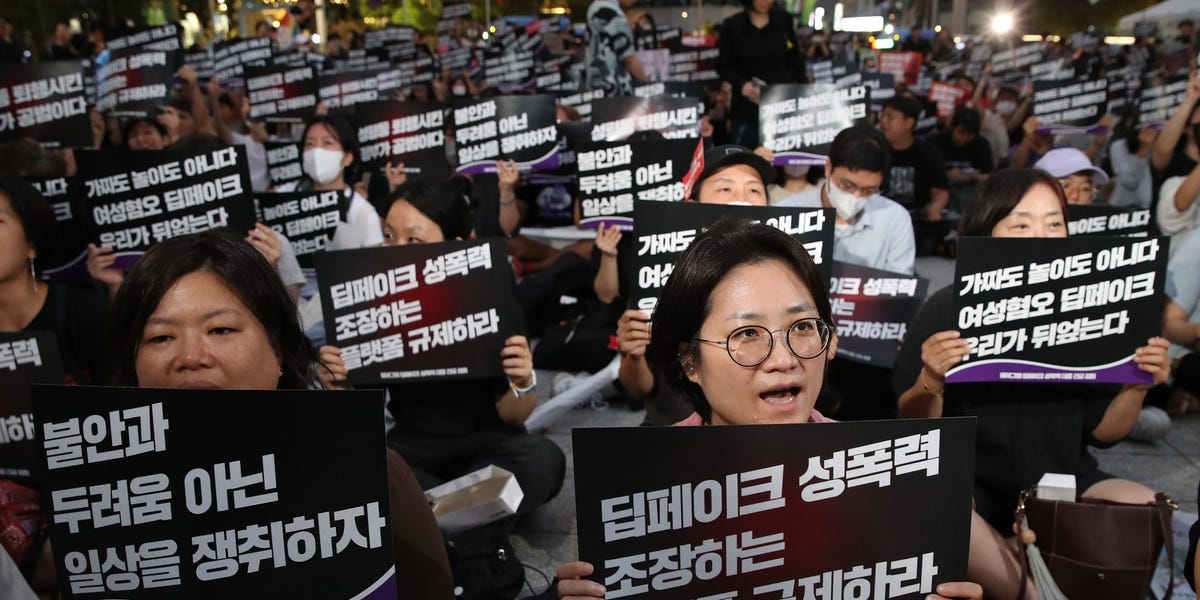
Overview of the Legislation
South Korea has enacted a law that prohibits the possession and viewing of deepfake pornography. This move is part of a broader effort to combat the misuse of AI technology in creating non-consensual explicit content. The law imposes strict penalties, including up to three years in prison or hefty fines for violators. This legislation follows previous laws that already criminalized the creation of such explicit material.
Key Details
- The law was passed on Thursday and awaits presidential approval.
- Violators face penalties of up to three years in prison or fines of around $23,000.
- South Korean singers and actresses are the most targeted individuals in deepfake porn, making up 53% of such content.
- Authorities have found extensive networks distributing these videos, often through platforms like Telegram.
Significance of the Law
This legislation is crucial in addressing the growing issue of deepfake pornography in South Korea. The country has seen a surge in non-consensual deepfake videos, particularly targeting high-profile figures. By holding consumers accountable, the law aims to deter the creation and distribution of harmful content. This move reflects a global trend toward stricter regulations on digital content, emphasizing the need for ethical standards in technology use. As similar efforts emerge in other countries, South Korea’s law may serve as a model for combating digital exploitation.





