Exploring New Frontiers in Archaeology
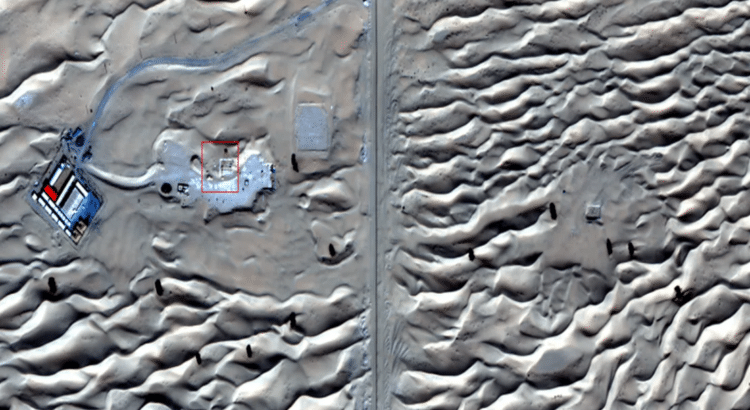
Recent advancements in archaeology are transforming how researchers uncover ancient sites, especially in desert regions. A collaborative effort between Khalifa University, Sorbonne University Abu Dhabi, and Mohamed bin Zayed University of Artificial Intelligence has led to a novel technique that combines artificial intelligence (AI) with satellite radar imaging. This innovative method allows archaeologists to detect buried artifacts and structures that traditional excavation methods often miss. By utilizing Synthetic Aperture Radar (SAR) and machine learning algorithms, researchers can locate archaeological sites hidden beneath thick layers of sand.
Key Highlights of the Innovation
- The technique uses SAR imaging, which penetrates sand to reveal structures up to 50 centimeters deep.
- The site of Saruq Al-Hadid has been a testing ground, revealing 5,000-year-old metallurgical remains and new areas of interest.
- AI streamlines the analysis of satellite data, reducing the need for extensive excavations and targeting specific sites.
- Future applications of this technology could extend to unexplored regions in Africa and beyond, creating predictive models for archaeological discoveries.
Significance of the Breakthrough
This fusion of AI and archaeology is a game-changer, especially in harsh environments where traditional methods often fail. By improving efficiency and accuracy, this technology not only enhances our understanding of ancient civilizations but also paves the way for future explorations. The ongoing validation of this approach at Saruq Al-Hadid will be crucial in determining its broader applicability. As researchers continue to refine these techniques, the potential for discovering lost histories in deserts around the world becomes increasingly promising.