Understanding the Situation
A new law in California aimed at allowing lawsuits over election deepfakes has been put on hold. A federal judge granted a preliminary injunction, stating that the law likely violates the First Amendment. While the law was designed to combat misleading AI-generated content, the judge argued it could suppress free speech and humor.
Key Points to Note
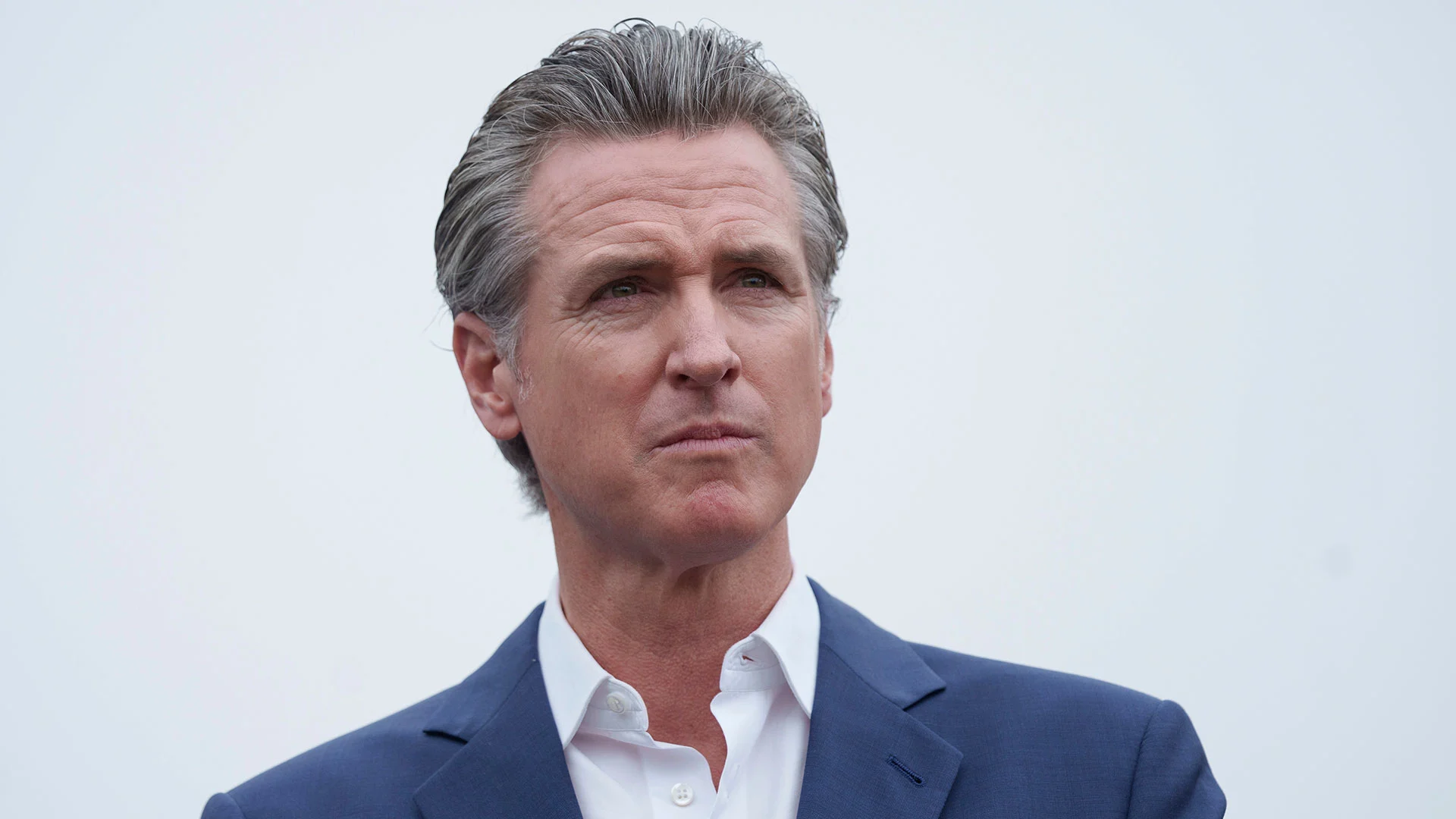
- The law was signed by Governor Gavin Newsom as part of a broader effort to regulate AI in political advertising.
- U.S. District Judge John A. Mendez expressed concerns that the law acts too broadly, limiting important expressions in democratic debate.
- The law faced backlash from First Amendment experts, who claimed it overreaches and undermines established legal standards for defamation.
- The ruling was welcomed by those opposing the law, who emphasized the need to protect free speech in the face of new technologies.
Significance of the Ruling
This ruling highlights the ongoing struggle between regulating harmful content and protecting free speech rights. As technology evolves, laws must balance the need for safety with the fundamental principles of expression. The outcome of this case could set a precedent for future legislation regarding AI and free speech, influencing how states approach similar issues moving forward.