Understanding the Challenge
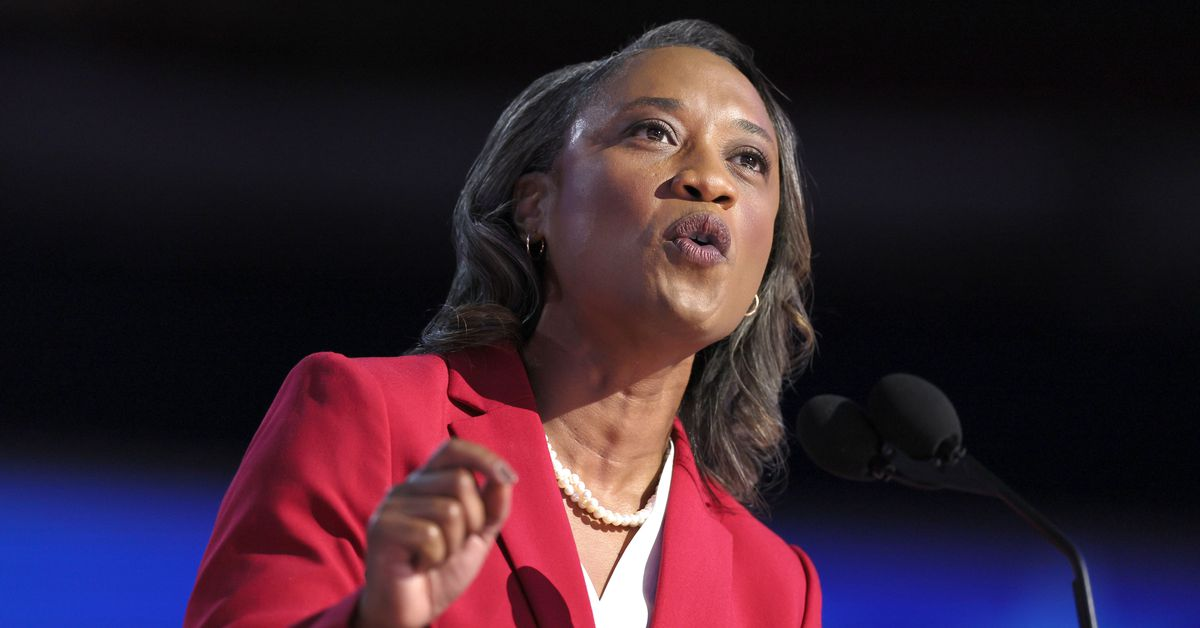
California’s representation in Congress faces the task of addressing national politics while catering to the interests of its diverse and populous state, particularly the tech industry. Current Senator Laphonza Butler and former Senator Kamala Harris are key figures in this effort, especially regarding the regulation of artificial intelligence (AI). As the heart of the AI industry, California is home to major companies like OpenAI and Google. Despite the lack of a national framework for AI regulation, Harris has taken a leading role in discussions about its governance, while Butler focuses on the implications of AI for labor and social equity.
Key Points to Note
- Butler emphasizes the importance of listening to both AI developers and affected communities to balance interests.
- She advocates for protecting workers from job automation while fostering innovation in AI.
- California state Senator Scott Wiener has faced challenges with state-level legislation aimed at safeguarding workers against AI risks.
- Butler’s Workforce of the Future Act aims to study AI’s impact on jobs and prepare workers for future skills, with a proposed $250 million grant program.
The Bigger Picture
The ongoing dialogue about AI regulation is crucial for balancing innovation with worker protection. Butler’s approach highlights the need for policies that consider the voices of all stakeholders. As AI technology continues to evolve, the challenge will be to create equitable opportunities that benefit both the economy and the workforce. This moment in history could set the stage for proactive measures that address the inevitable disruptions caused by AI, ensuring that advancements do not come at the expense of workers’ rights and livelihoods.