Understanding the Shift in Search Design
Google is transforming its AI search strategy from providing singular answers to encouraging users to explore multiple results. This change aims to enhance user experience by making search results more engaging and visually appealing. The new design will first be applied to recipe and restaurant searches on mobile devices, with plans to extend it to travel and shopping categories later. Rhiannon Bell, VP of UX at Google, emphasizes the importance of user discovery, stating that browsing can be more enjoyable than simply receiving instant answers.
Key Features of the New Search Experience
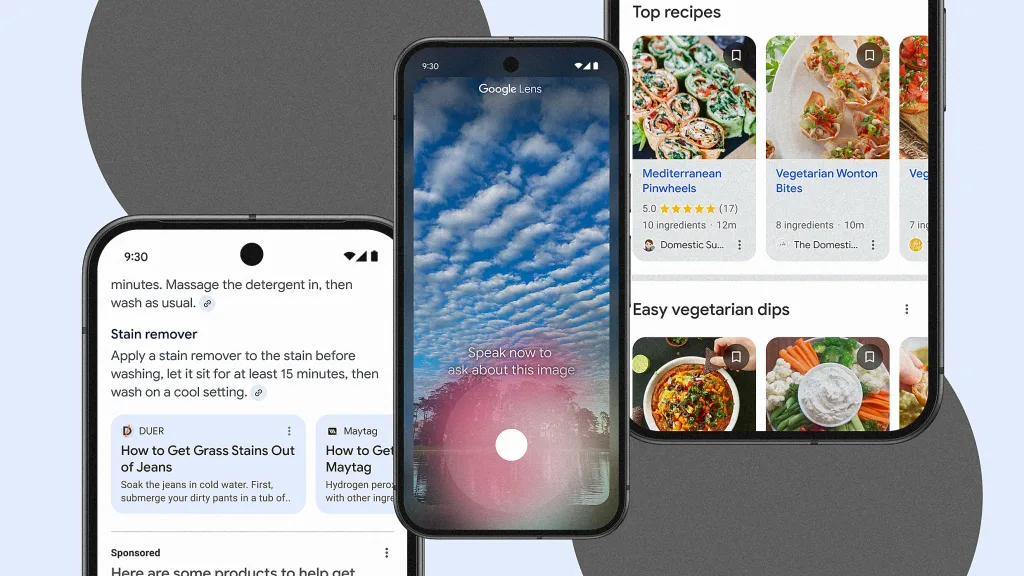
- Search results will be displayed in multimedia clusters rather than traditional lists of links.
- Each cluster will focus on different aspects of a query, such as recipes for specific dietary needs or cooking techniques.
- The design will incorporate various content types, including images, headlines, and excerpts from forums, creating a more dynamic browsing experience.
- Users can utilize Google Lens for multimodal searches, combining video and voice queries to enhance interaction.
The Bigger Picture of Search Evolution
This new approach to search is significant as it reflects a shift in how information is consumed online. By moving towards a more engaging and content-rich format, Google is positioning itself as a destination for exploration rather than just a quick answer provider. This evolution is crucial in maintaining relevance in a competitive landscape filled with platforms like TikTok and ChatGPT. The integration of advertisements into these new search results indicates a strategy to monetize this richer browsing experience. Ultimately, Google’s innovative design aims to keep users engaged longer, potentially impacting how they interact with other content providers and publishers.