Understanding the Deepfake Dilemma
Deepfake incidents are predicted to rise dramatically in 2024, with estimates suggesting a 60% increase, bringing the total to over 150,000 cases globally. This surge makes deepfake attacks the fastest-growing form of adversarial AI. Financial institutions are particularly vulnerable, with projected damages exceeding $40 billion by 2027. The sophistication of these AI-generated fabrications is eroding trust in governments and institutions, making it increasingly difficult for individuals to discern real from fake information. Many executives recognize the operational challenges posed by deepfakes, with a small percentage viewing it as a serious existential threat.
Key Insights on Deepfake Trends
- Deepfake technology is being exploited in cyber warfare, especially by nation-states like Russia.
- A significant number of office workers are unaware of AI’s ability to impersonate voices, raising concerns ahead of elections.
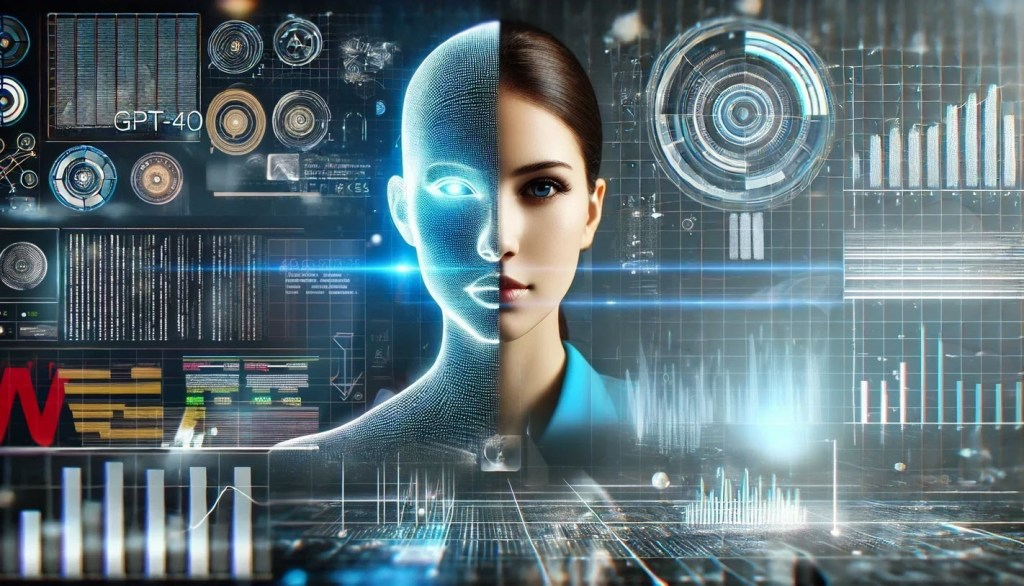
- OpenAI’s GPT-4o model is designed to detect and counteract deepfake threats through advanced capabilities like GANs detection and voice authentication.
- Recent deepfake attacks have targeted high-profile executives, showcasing the evolving tactics of cybercriminals.
The Importance of Trust in the Digital Age
As deepfakes become more common, the need for trust and security in digital interactions is paramount. OpenAI’s focus on developing models like GPT-4o highlights the importance of combating deepfake threats. With businesses and governments increasingly relying on AI, these advancements are essential for safeguarding data and ensuring the integrity of information. The call for skepticism and critical evaluation of content becomes crucial as deepfakes threaten to manipulate perceptions and actions on a global scale.