Understanding AGI and Its Implications
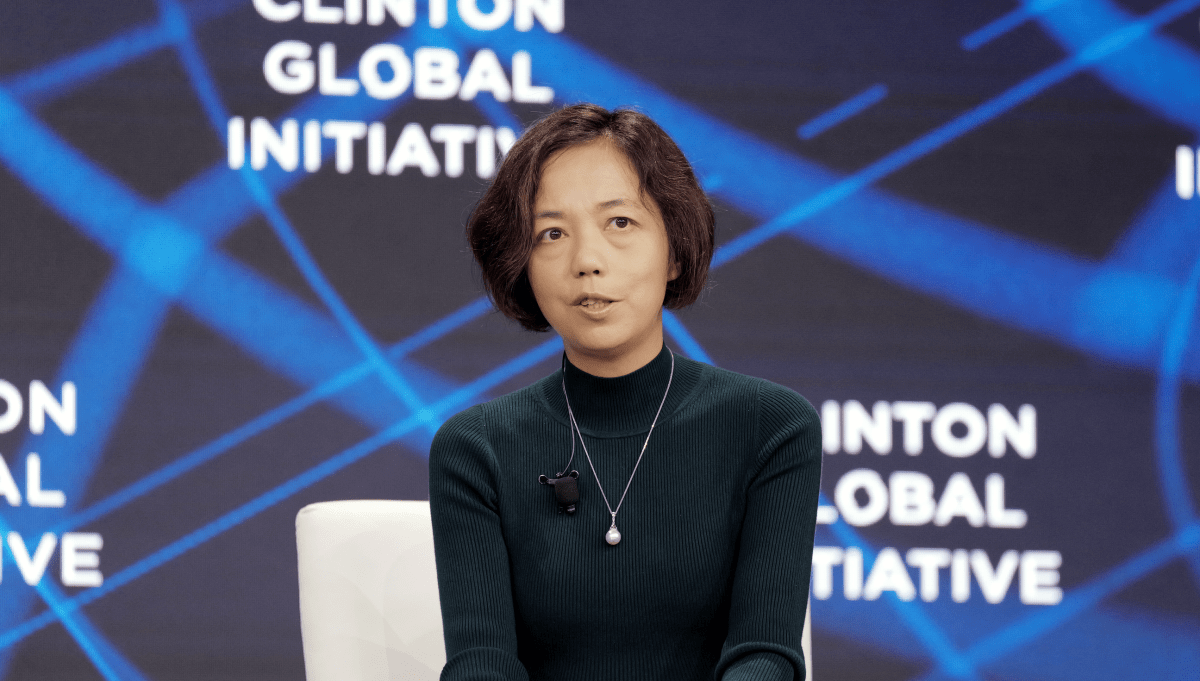
Artificial General Intelligence (AGI) is a complex concept that many, including experts, struggle to define. Fei-Fei Li, a prominent figure in AI research, openly admits her confusion about AGI during a recent summit. Despite her significant contributions to the field, including the creation of ImageNet, Li emphasizes the importance of focusing on the practical applications of AI rather than getting lost in theoretical jargon. Her startup, World Labs, aims to advance AI technologies, particularly in spatial intelligence, which involves understanding the 3D world.
Key Points to Note
- Fei-Fei Li, often referred to as the “godmother of AI,” expresses uncertainty about AGI’s definition.
- OpenAI has developed a five-level framework to measure progress toward AGI, starting with chatbots and advancing to organizational-level AI.
- Li advocates for a balanced approach to AI regulation, emphasizing the need for innovation alongside responsible governance.
- The development of spatial intelligence is a key focus for Li’s startup, aiming to enhance AI’s understanding of the physical world.
The Bigger Picture
The ongoing quest for AGI highlights the need for clarity and responsible development within AI. As technology advances, it is crucial to ensure that ethical considerations and human impacts are prioritized. Li’s insights reflect a broader conversation about the future of AI and its potential to transform industries and society. By fostering diversity in AI development and focusing on practical applications, the field can move toward creating technology that truly benefits humanity.