Understanding the Impact of AI on Drug Development
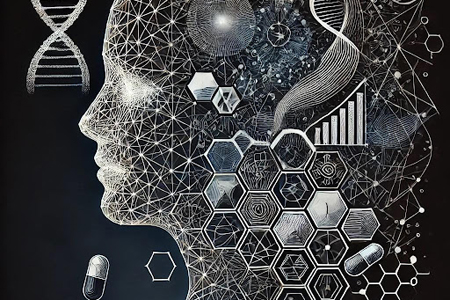
The integration of artificial intelligence (AI) in drug discovery is transforming the pharmaceutical landscape. AI tools are designed to enhance the speed and efficiency of the drug development process, tackling complex challenges such as identifying difficult targets and reducing costs. The use of AI can significantly improve the probability of success during critical phases of clinical trials, particularly Phase 2, which is essential for assessing a drug’s effectiveness and safety. This first part of a two-part series explores how AI technologies, especially generative AI, are reshaping drug discovery and development.
Key Insights on AI in Drug Development
- AI accelerates drug discovery, allowing researchers to evaluate millions of molecular structures quickly.
- Generative AI enhances the identification of promising drug candidates and predicts molecular interactions, streamlining the development process.
- Several AI-driven drug candidates have reached clinical trials faster than traditional methods, with some taking less than four years to complete.
- AI is also optimizing clinical trials by improving analytics and automating tasks, leading to shorter trial durations and better patient engagement.
The Bigger Picture: Why This Matters
The advancements in AI technology are not just about speed; they also promise substantial cost savings and improved drug quality. As drug development becomes more efficient, the likelihood of successful approvals increases, which can lead to better healthcare outcomes. The ongoing exploration of AI’s financial benefits and its potential to enhance the probability of success in drug development is crucial for the future of pharmaceuticals. This shift could lead to innovative treatments reaching the market more rapidly and at a lower cost, ultimately benefiting patients and the industry alike.