
Understanding the Deepfake Dilemma
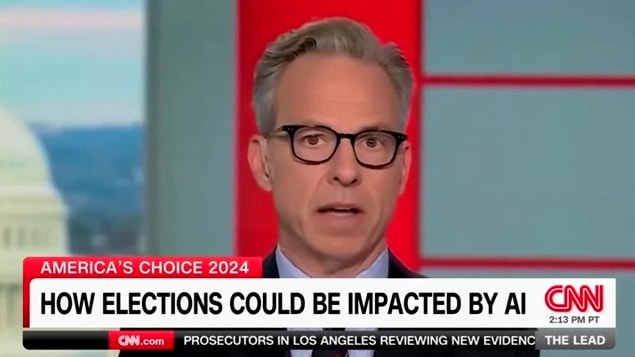
CNN’s The Lead made a bold move by using a deepfake version of anchor Jake Tapper. This segment aimed to highlight the growing problem of deepfakes and their potential to mislead the public. The deepfake was created by comedian Danny Polishchuk, who had only recently started using AI technology. The segment opened with a clear disclaimer, reminding viewers that they were watching a digitally altered version of Tapper.
Key Takeaways
- The segment illustrated how deepfake technology can easily deceive audiences.
- It discussed a recent campaign ad featuring a doctored image of a political opponent, which lacked necessary disclosures.
- Tapper criticized the current state of political advertising, describing it as a “wild west” where misinformation can be presented as fact.
- The use of AI-generated images for partisan purposes is on the rise, as seen with various false images involving high-profile figures.
The Bigger Picture
The rise of deepfake technology poses significant risks for society. As AI-generated content becomes more realistic, it challenges the ability of individuals and lawmakers to discern truth from fabrication. This situation raises concerns about the integrity of information in political discourse and the potential for manipulation. With deepfakes already being utilized to spread misinformation, it is crucial for both the public and regulatory bodies to develop strategies to combat this evolving threat.





