Overview of the Future of Driving
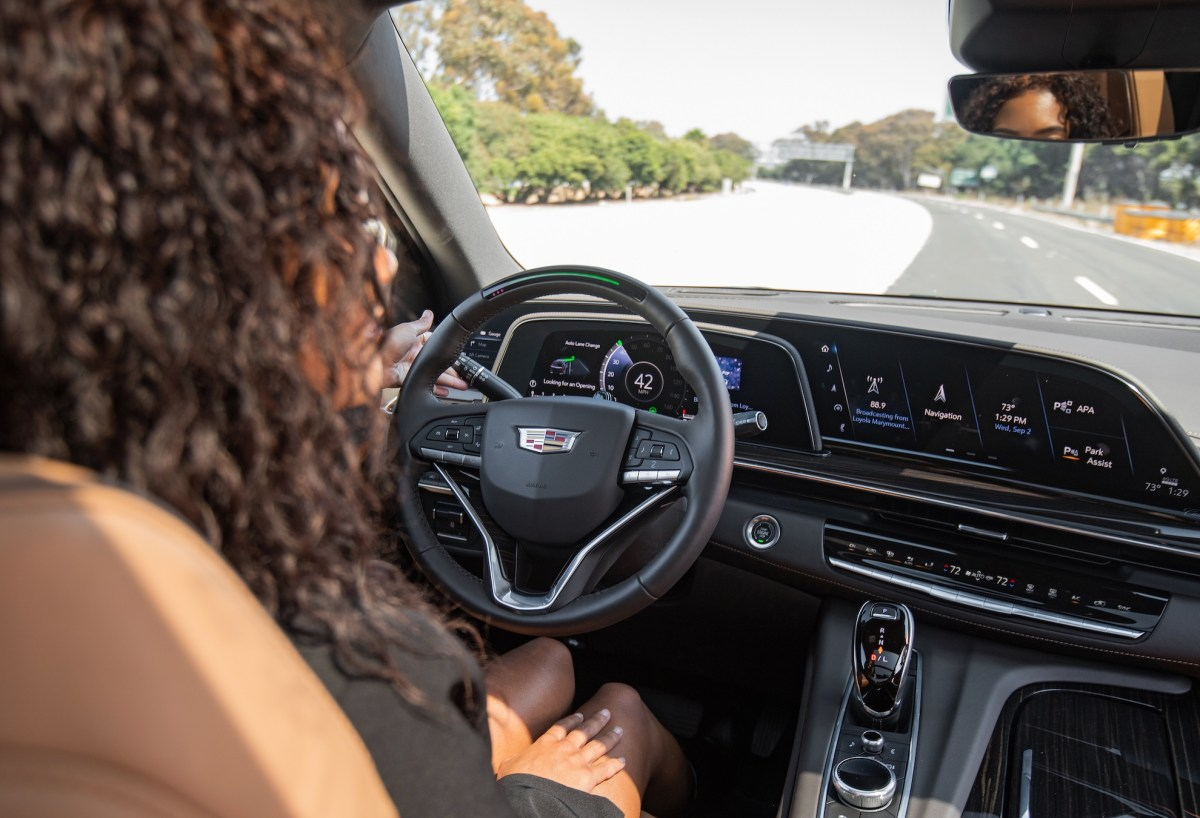
GM is advancing its Super Cruise system to a new level that allows drivers to take their eyes off the road entirely. Currently, most automakers, including Tesla and Ford, offer Level 2 systems that require drivers to remain attentive. GM aims to develop a Level 3 (L3) system, which would enable hands-off, eyes-off driving, primarily on highways. This innovation, while not fully autonomous, represents a significant step beyond existing driver assistance technologies.
Key Highlights
- GM’s Super Cruise was the first hands-free driving system, launched in 2017, but only available on limited models initially.
- The company plans to expand Super Cruise availability to 750,000 miles of roads by 2025, including rural areas.
- Currently, only Mercedes-Benz offers a hands-off, eyes-off system in the U.S.
- Recent executive hires, including Anantha Kancherla, indicate GM’s commitment to enhancing its software capabilities for autonomous driving.
Significance of the Advancement
The development of a hands-off, eyes-off driving system could change the landscape of transportation. It could enhance road safety by reducing driver distraction and fatigue. However, the success of this technology depends on public trust and reliability. If drivers feel uncertain about the system’s performance, it could lead to increased anxiety while driving. GM’s focus on software innovation and strategic hiring suggests a strong push towards achieving this goal, potentially positioning the company as a leader in the future of automotive technology.