Understanding the Impact of Misinformation
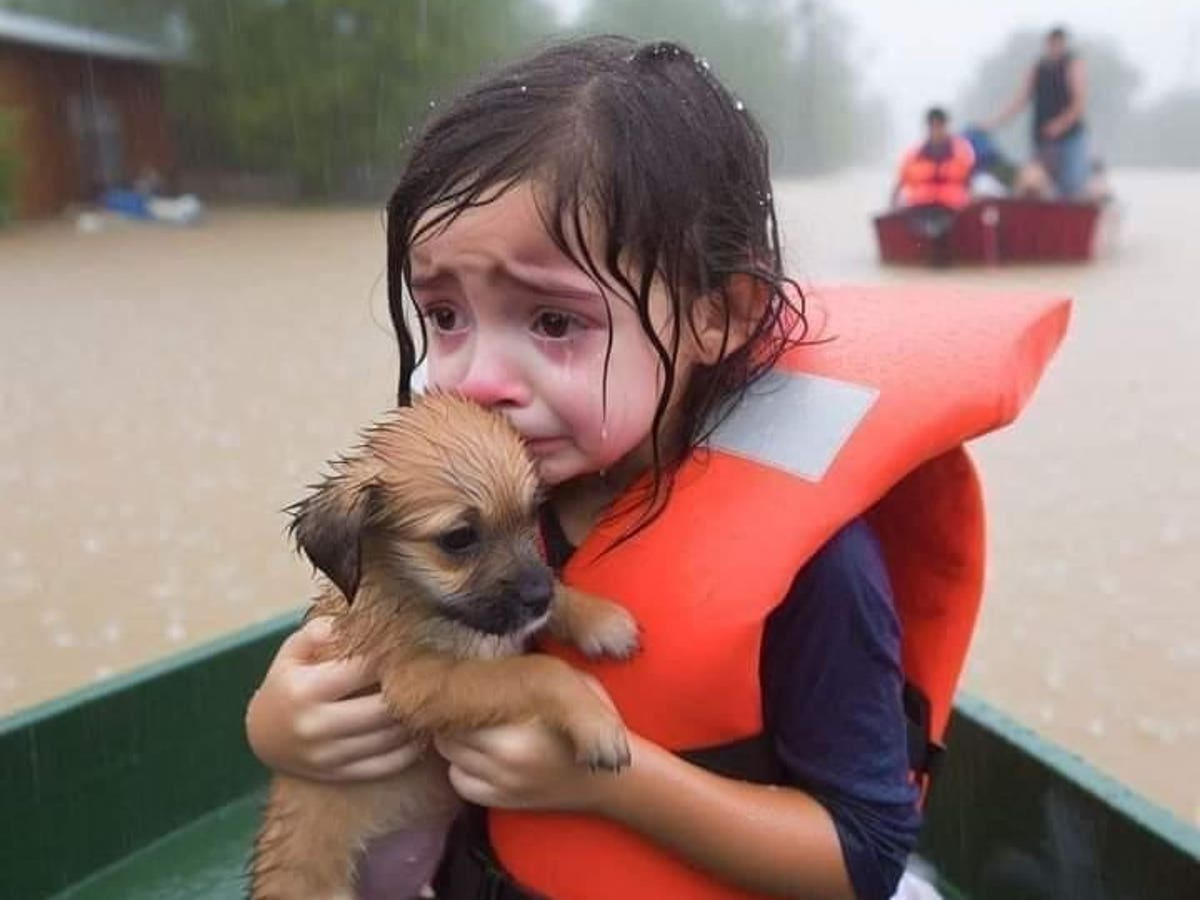
In the wake of Hurricane Helene, social media has been flooded with fake images that depict destruction and human suffering. These AI-generated visuals, such as a girl holding a puppy in floodwaters, can mislead the public and complicate disaster response efforts. Experts in photo forensics have identified these images as manipulated or entirely fake, which undermines trust in real news and creates a cycle of skepticism among viewers.
Key Details to Consider
- Fake images can lead to confusion and emotional whiplash, causing people to feel betrayed when they learn the truth.
- The prevalence of misinformation can result in “disaster fatigue,” where individuals become numb to real crises due to repeated exposure to falsehoods.
- Verification of images has become necessary, creating mental fatigue and prompting some to disengage from disaster news altogether.
- This erosion of trust can lead to fewer donations and volunteer efforts, as people become skeptical about the authenticity of disaster reports.
The Broader Implications
The rise of fake disaster images poses a significant threat to future humanitarian efforts. As public trust diminishes, fewer people may feel motivated to help during real emergencies. This could lead to slower responses and a lack of resources for those affected by disasters. Furthermore, the emotional toll of constant misinformation fosters a sense of apathy, making it harder for communities to unite during crises. The long-term consequences of this phenomenon could severely impact disaster relief and recovery efforts.