
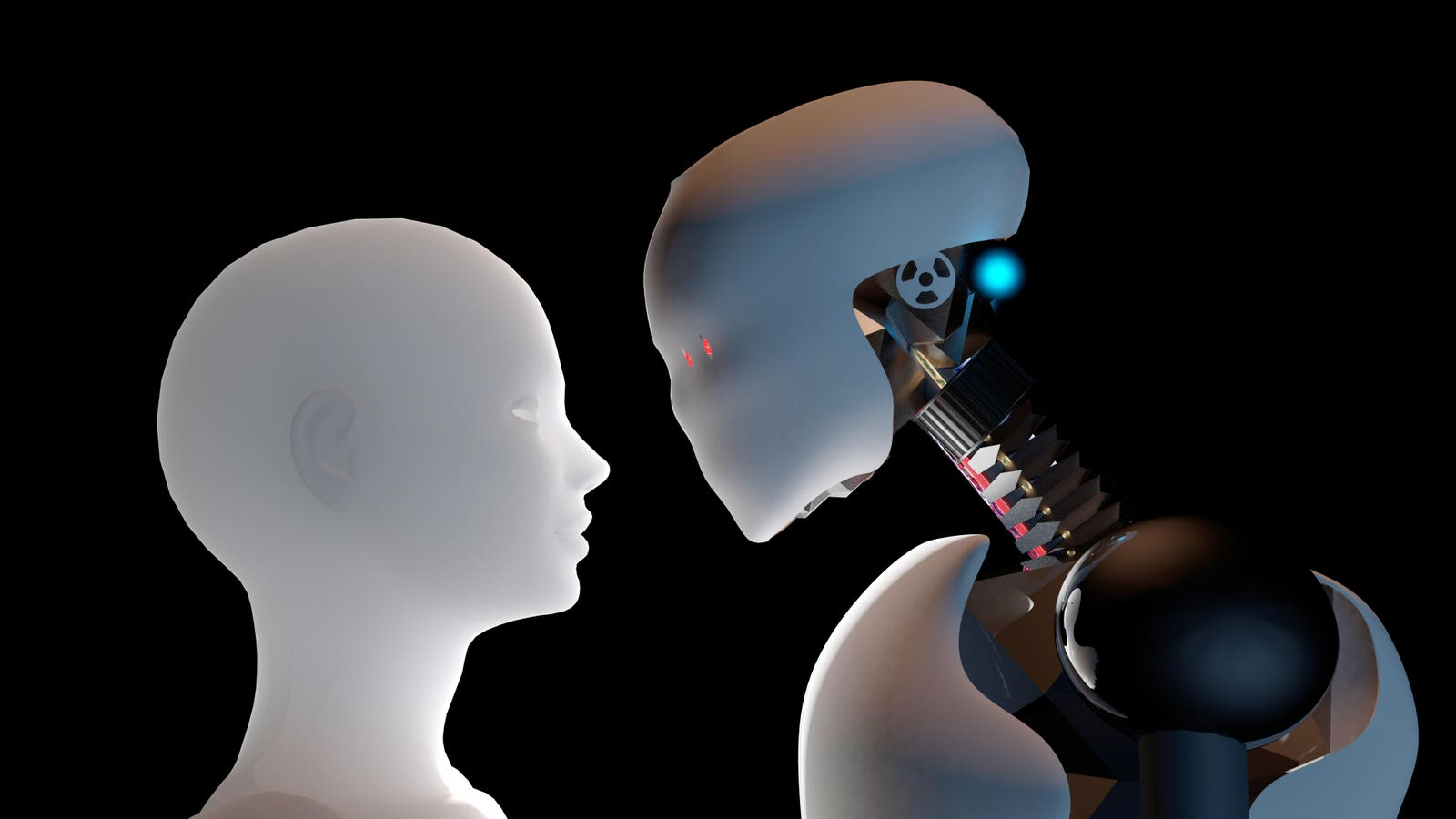
Understanding the complexities of artificial intelligence and its human-like interactions is crucial in today’s tech-driven world. Many people tend to attribute human traits to AI, believing it can think or feel like we do. This tendency, known as anthropomorphism, can lead to misunderstandings about AI’s actual capabilities and create unrealistic expectations. As AI becomes more integrated into our daily lives, recognizing the limitations of these systems is essential for maintaining healthy interactions.
- Anthropomorphism can lead to false expectations, making users believe AI has qualities like empathy or creativity, which it lacks.
- Emotional dependency on AI can result in replacing genuine human interactions, potentially leading to harmful outcomes.
- Misunderstanding AI’s functions can blur the line between its capabilities and our perceptions, risking blind trust in technology.
- Language plays a significant role in shaping our views of AI; referring to it as a conscious entity can distort our understanding of its true nature.
Understanding these dynamics is vital as AI continues to evolve. By maintaining a clear distinction between human intelligence and artificial systems, people can make informed decisions about their interactions with technology. This awareness fosters a healthier relationship with AI, preventing emotional reliance and ensuring that human connections remain a priority.





