Understanding the Breach
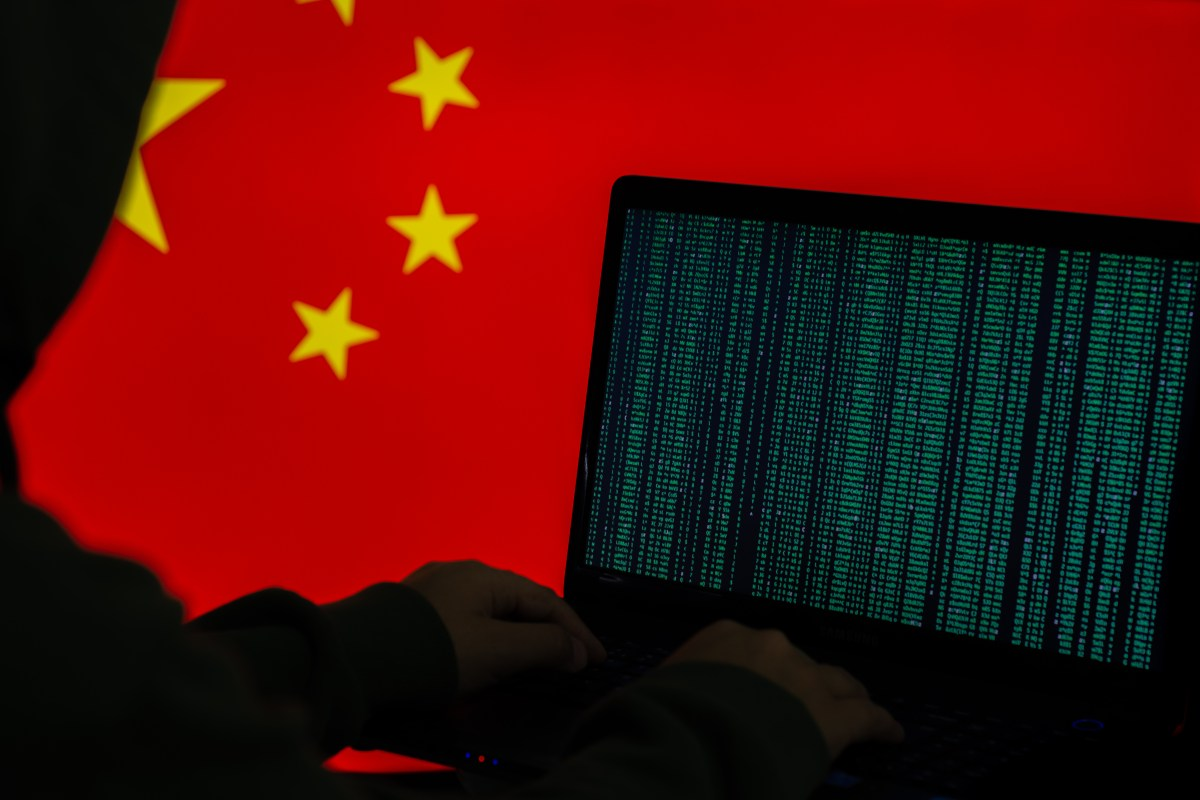
Recent reports reveal that hackers linked to the Chinese government have compromised wiretap systems of major U.S. telecom and internet providers. These systems, created under a federal law, allow access to sensitive customer data. The hacks are seen as a significant threat to national security, raising alarms among experts who have long warned about the risks associated with backdoor access. The hacking group known as Salt Typhoon reportedly infiltrated companies like AT&T, Lumen, and Verizon, leading to concerns over the vast collection of internet traffic.
Key Details
- The breaches involve systems that provide customer data to law enforcement.
- Experts argue that the existence of backdoors makes systems vulnerable to malicious attacks.
- The Communications Assistance for Law Enforcement Act (CALEA) mandates telecoms to ensure wiretap access, which is now being exploited.
- The incident highlights the ongoing debate over encryption and the need for stronger security measures.
The Bigger Picture
The recent attacks underscore a critical dilemma: the balance between surveillance and security. As governments push for access to private communications, the risk of abuse grows. The situation calls for a reevaluation of existing laws like CALEA, which may compromise user privacy. Advocates for stronger encryption argue that only robust security measures can protect against such breaches. This incident serves as a stark reminder of the vulnerabilities in current systems and the urgent need for change in how personal data is handled.