The Rise of AI-Powered Photo Editing
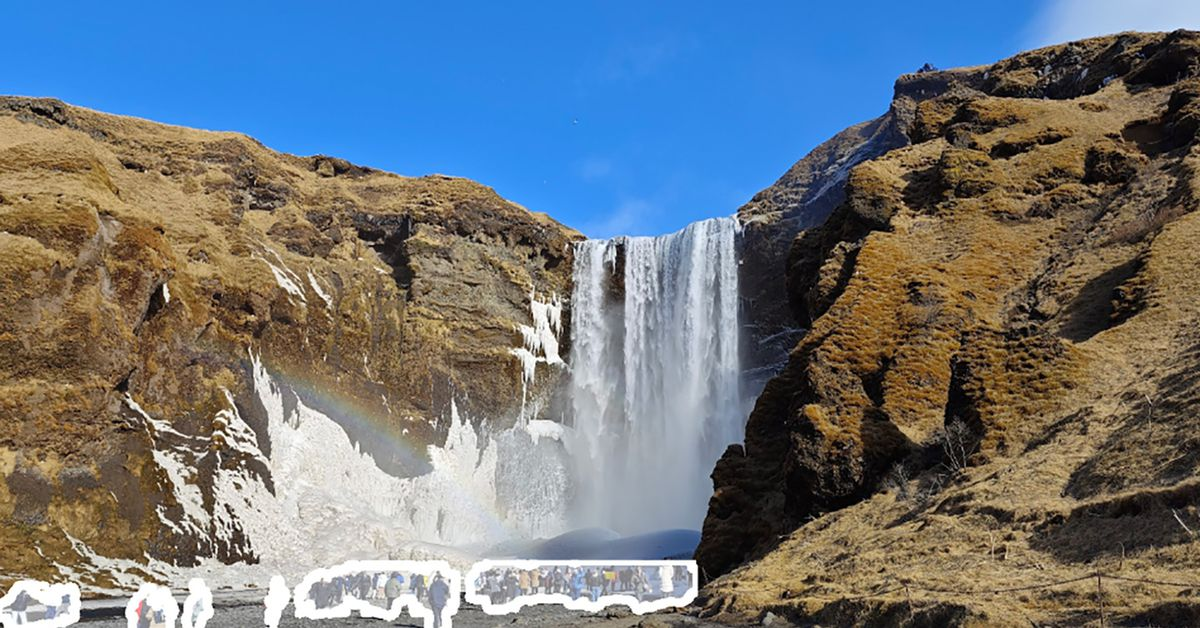
The advent of AI-powered photo editing tools has revolutionized how we capture and preserve memories. Google’s Magic Editor, featured on the Pixel 9, exemplifies this trend with its ability to dramatically alter images. From changing weather conditions to repositioning subjects, these tools offer unprecedented control over our visual narratives.
Key Developments and Implications
- AI tools can now remove unwanted elements, add new objects, and alter lighting conditions in photos.
- The concept of photos as exact representations of reality is being challenged.
- Ethical concerns arise about the authenticity of heavily edited images.
- There’s a fine line between enhancing memories and creating misleading representations.
Balancing Enhancement and Authenticity
While AI editing tools offer powerful capabilities, their use raises questions about the nature of photography and memory. The ability to significantly alter images blurs the line between capturing moments and creating idealized versions of them. As these tools become more accessible, users must navigate the balance between enhancing their photos and maintaining the authenticity of their memories.