
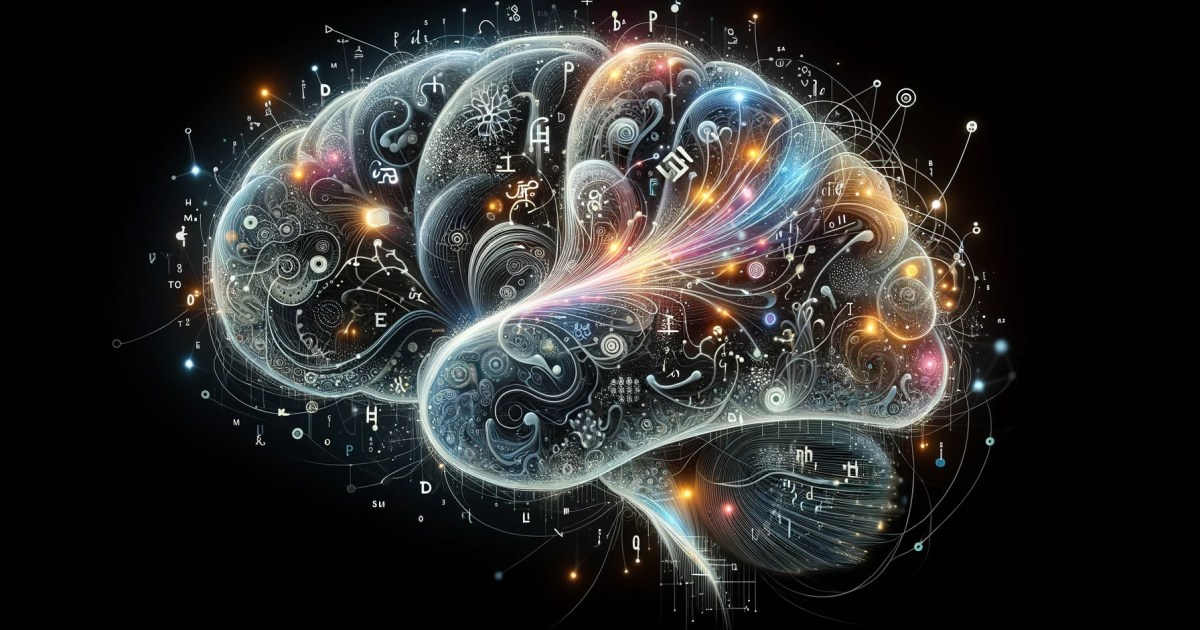
Understanding the Connection Between Physics and AI
Artificial intelligence (AI) is often associated with chatbots and image generators, yet its roots lie deep in physics. The development of artificial neural networks, which are crucial for modern AI, emerged from studies in biophysics, statistical physics, and computational physics. Pioneering physicists John Hopfield and Geoffrey Hinton made significant contributions in the 1980s that laid the groundwork for today’s AI technologies. Their work has led to breakthroughs in various fields, including medicine and astronomy, making them strong contenders for the 2024 Nobel Prize in Physics.
Key Contributions and Concepts
- John Hopfield created a model for artificial neural networks, enabling pattern recognition from noisy data.
- Geoffrey Hinton advanced this by developing the Boltzmann machine, allowing for generative models that could produce new data patterns.
- Both researchers’ work has applications in diverse areas, such as image recognition, language translation, and even medical diagnostics.
- Their contributions demonstrate how principles from physics can lead to innovative solutions in technology.
The Broader Impact of Their Work
The advancements made by Hopfield and Hinton are not just academic; they have real-world implications. Their research has revolutionized how we interact with technology, improving processes in healthcare and data analysis. As AI continues to evolve, understanding its foundational principles in physics helps us navigate its ethical implications and potential future developments. Recognizing their contributions with a Nobel Prize would highlight the importance of interdisciplinary research and inspire future innovations in science and technology.





