Understanding Mirroring in Human Interaction
Mirroring is a psychological phenomenon where individuals imitate each other’s behaviors, gestures, and speech patterns during interactions. This can be seen in everyday situations, such as when one person raises their eyebrows and the other follows suit. Mirroring can be both subconscious, where individuals unknowingly adopt behaviors, and conscious, where they intentionally mimic someone they admire. It plays a crucial role in social bonding and can enhance communication and persuasion.
Key Insights on Mirroring
- Mirroring occurs through physical actions and speech, influencing how we connect with others.
- Research shows that children learn behaviors by mirroring adults, highlighting its importance in social development.
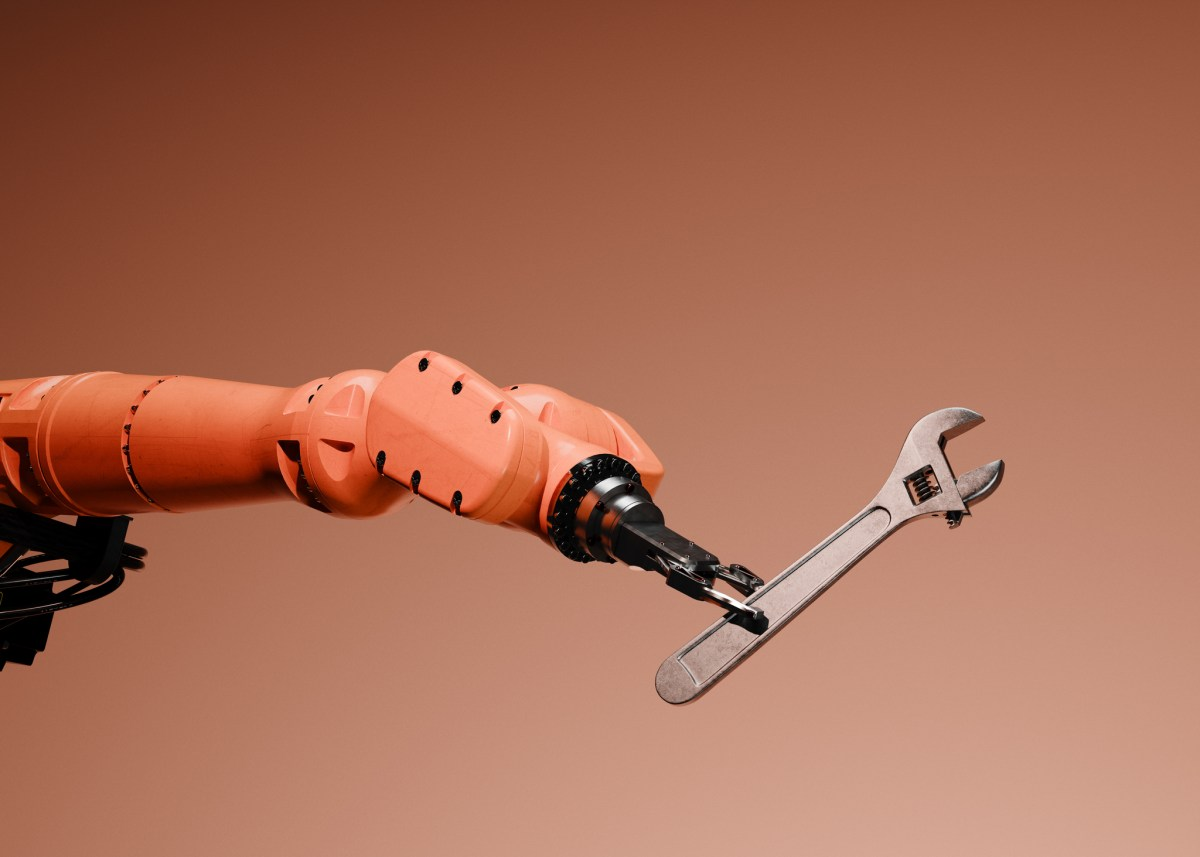
- AI systems, like robots and generative AI, also utilize mirroring to create more relatable interactions with humans.
- Bidirectional mirroring can happen where humans may imitate AI behaviors, leading to potential shifts in communication styles.
The Broader Implications of Mirroring
The concept of mirroring is significant as it impacts relationships and social dynamics. With AI increasingly becoming part of our daily lives, understanding how it mirrors human behavior can help improve interactions between humans and machines. As generative AI becomes more prevalent, there is a possibility that our communication styles may evolve to reflect those of AI systems, raising questions about identity and authenticity in human interactions. This duality of mirroring between humans and AI presents both exciting opportunities and challenges, prompting reflection on how we engage with technology.