
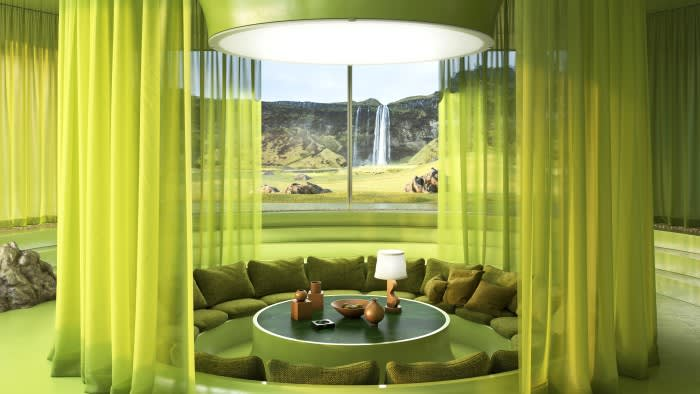
Exploring the New Frontier of Architecture
The creation of virtual architecture is reshaping how designers and architects visualize and present their ideas. Artists like Charlotte Taylor and Riccardo Fornoni have pioneered this movement, showcasing stunning digital designs that exist only in the metaverse. Their work, including the famed Villa Saraceni, captures the imagination of many, leading to requests for rentals and visits, despite these creations being entirely fictional. This innovative approach allows for a unique exploration of escapism and creativity within the architectural field.
Key Highlights
- Virtual designs serve as a canvas for imagination, allowing architects to experiment without the constraints of physical materials.
- The rise of CGI technology has transformed how architects visualize projects, enabling them to create stunningly realistic environments.
- Collaborations among designers and digital artists have led to unique projects like Casa Atibaia and The Residency, which blend various styles and inspirations.
- Sustainability plays a role in virtual design, reducing the carbon footprint associated with traditional furniture and architectural displays.
The Bigger Picture
The shift towards digital architecture is not merely a trend; it represents a fundamental change in how creativity is expressed in design. Virtual spaces allow for endless possibilities and experimentation, paving the way for future projects to be realized in the physical world. As technology continues to evolve, the line between virtual and real-world architecture will blur, leading to new opportunities for designers and architects. This evolution not only enhances the creative process but also supports sustainability in the industry, making it a significant development in contemporary architecture.





