Understanding the Transformation
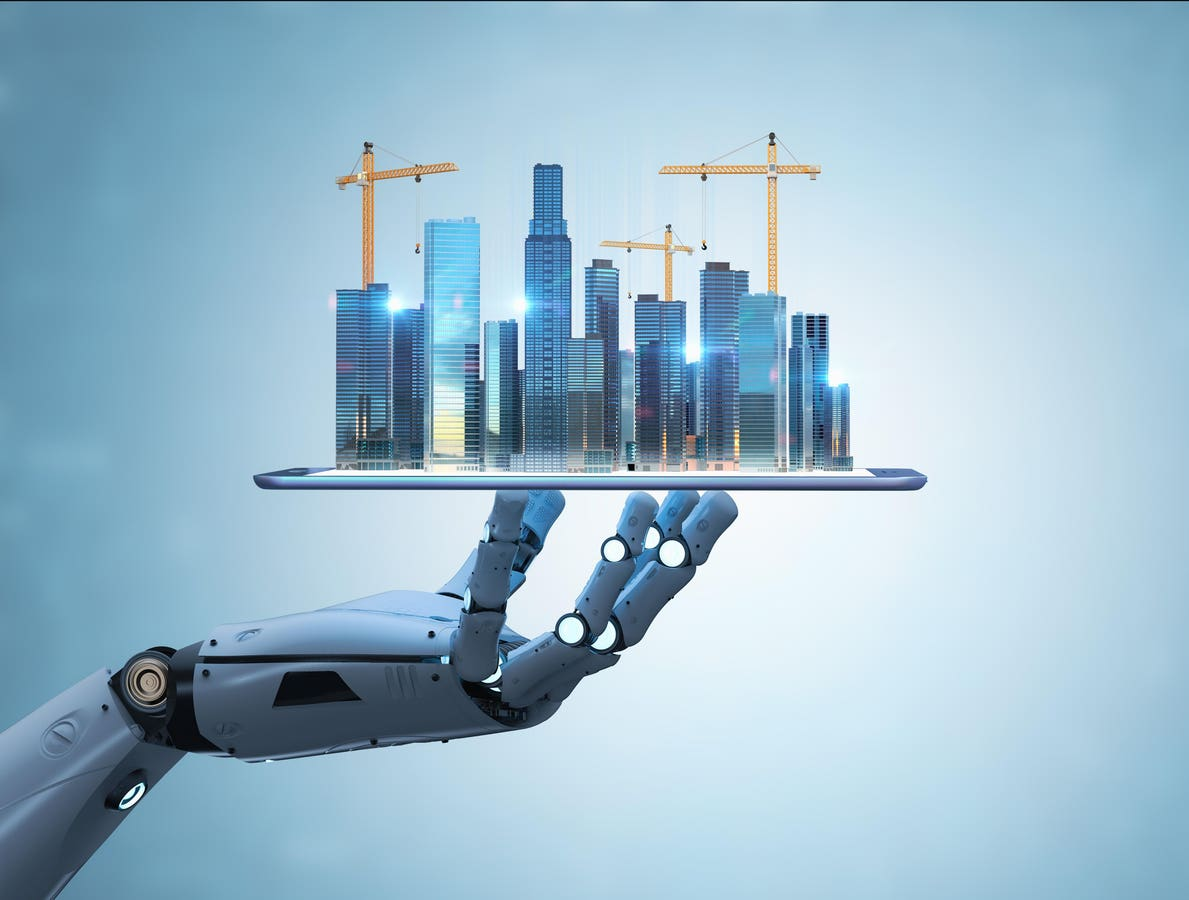
The construction industry is undergoing a significant transformation through the integration of AI technology. This shift is crucial as construction projects are inherently complex and require meticulous planning. Unlike software projects, construction cannot adapt on the fly, making advanced preparation essential. AI is proving to be a game-changer, enhancing efficiency and effectiveness across various stages of construction, from design to supply chain management.
Key Highlights
- AI optimizes design and planning by utilizing building information modeling (BIM) and generative design software to create efficient building designs.
- It aids project management through predictive analytics, helping to foresee delays and cost overruns.
- AI enhances supply chain management by forecasting material needs and ensuring timely quality inspections.
- Predictive maintenance tools prevent equipment failures, minimizing unexpected downtime and associated costs.
- Drones and computer vision technology are improving safety and monitoring on construction sites by identifying hazards and ensuring compliance with regulations.
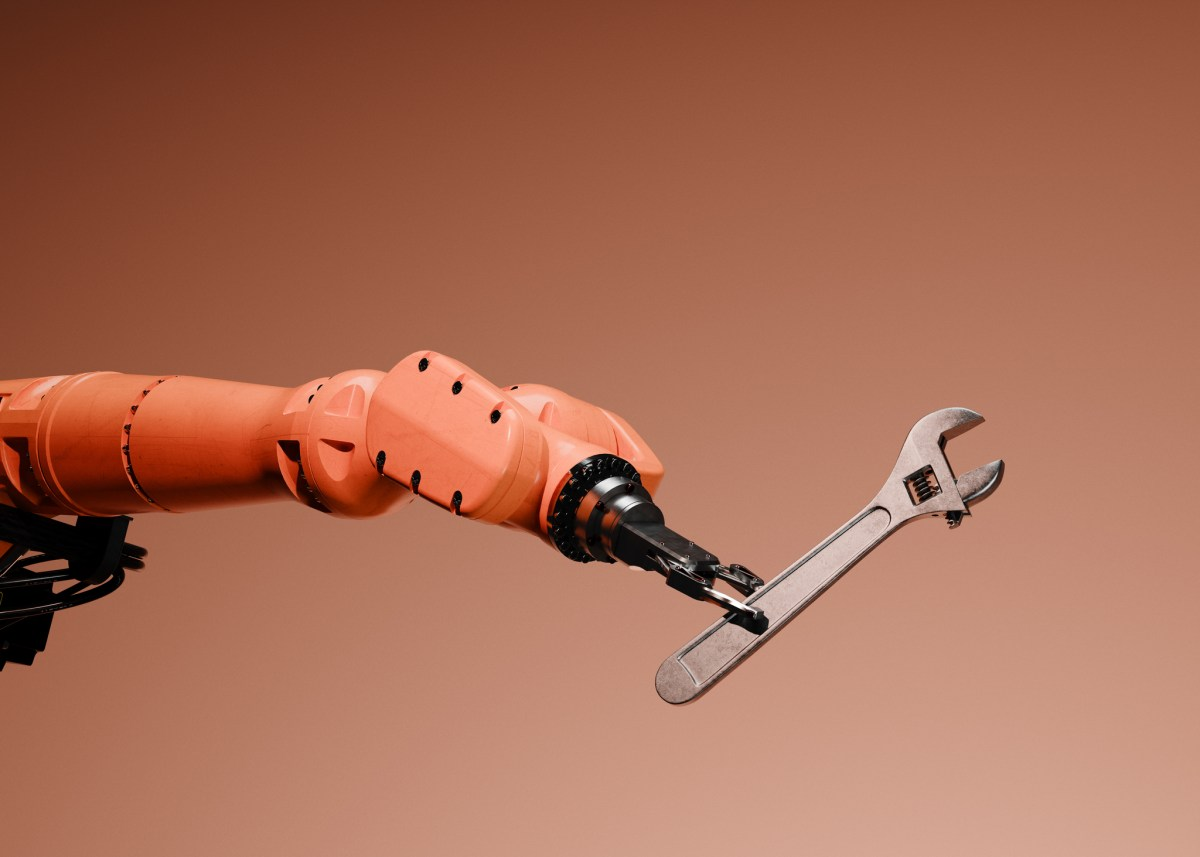
- Autonomous robots are emerging as a future solution to perform dangerous or labor-intensive tasks, potentially reducing reliance on human labor.
Significance of AI in Construction
The integration of AI in construction is not just about improving efficiency; it represents a fundamental shift in how projects are managed and executed. This technology allows for better resource allocation, reduced waste, and enhanced safety. As the industry faces challenges like labor shortages and rising costs, AI provides innovative solutions that can lead to sustainable practices and smarter construction methods. Embracing these advancements can significantly impact the future of building infrastructure, making it more resilient and efficient.